Before you go...
We built a free scorecard that shows how your heat pump, ventilation and solar systems are performing. Results are usually surprising.
Get my score
No thanks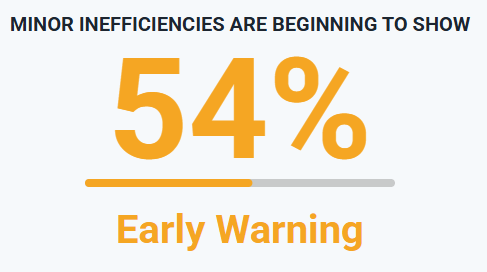
We built a free scorecard that shows how your heat pump, ventilation and solar systems are performing. Results are usually surprising.
No thanksWe built a free scorecard that shows how your heat pump, ventilation and solar systems are performing. Results are usually surprising.
No thanks
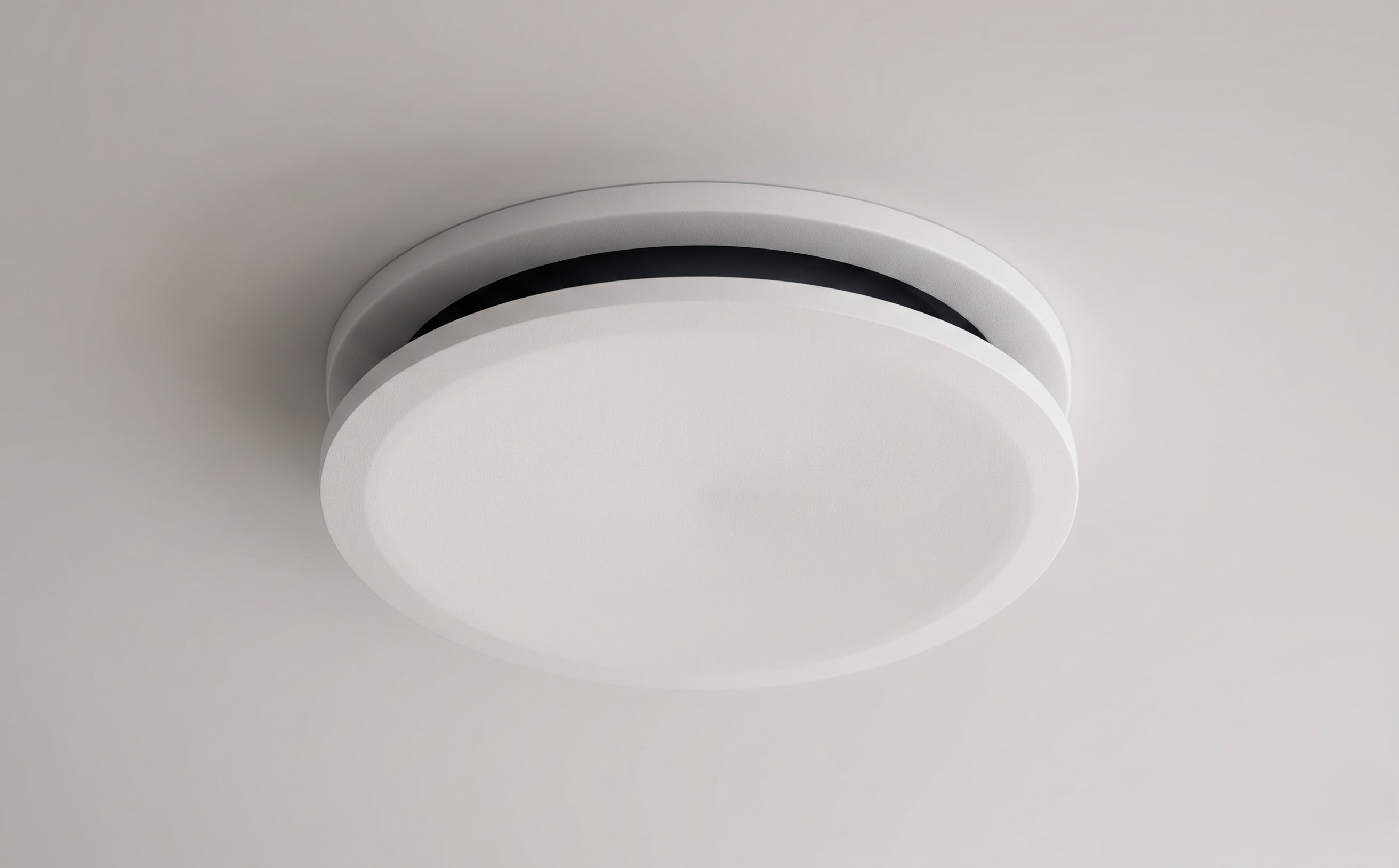
The system is running. But the house still feels stuffy, condensation is back on the windows, or there's a noise from the unit in the roof cavity that wasn't there last winter.
Positive pressure systems (DVS, SmartVent, and HRV) are built to run continuously. That's what makes degradation easy to miss. Filter contamination, fan housing mould, and ducting restrictions all accumulate while the unit keeps running. The system gives no indication that anything has changed.
Several of the signs that warrant professional attention don't involve the system stopping at all.
For homeowners and landlords across NZ, the ventilation system is the most overlooked home energy component, serviced less often than the heat pump and less visible than the solar panels.
A well-maintained positive pressure system creates enough airflow to cycle stale indoor air out through gaps around doors and windows. When the filter is heavily loaded, the fan can no longer move enough air to achieve this. The house feels airless, particularly overnight in closed-up rooms.
This is not always a dramatic change. It often registers as a gradual shift: the house doesn't feel fresh the way it used to. CO2 from breathing and cooking isn't being cleared effectively. The system is running. The air is not moving.
Condensation on windows that had previously cleared is one of the more reliable indicators that a positive pressure system's output has dropped. The system's job is to push enough air into the home that moisture from cooking, showering, and breathing gets displaced outward. When airflow drops, that moisture stays inside. Condensation on windows in NZ: what causes it and how to reduce it covers the full range of causes beyond the ventilation system alone.
Auckland's humidity makes this more consequential than in drier climates. A degraded system in Auckland produces visible damp and condensation faster than in drier regions. A filter that hasn't been replaced in more than 12 months is the most common cause. What happens inside an old DVS system that isn't maintained covers what a degraded filter does to indoor moisture levels.
A fan running without obstruction is a quiet piece of equipment. Rattling, a high-pitched hum, or a general increase in fan volume that wasn't there previously is a sign the motor or housing is under stress.
The most common causes: a filter so loaded it's forcing the motor to work harder than designed, debris that has bypassed the filter and reached the fan housing, or early bearing wear. Some of these are maintenance causes. Others indicate a component that needs replacement by a qualified technician. Noise is one sign where professional assessment matters before deciding on a course of action.
A positive pressure system should deliver consistent airflow across every ceiling vent it serves. If one room feels significantly weaker than others, or if airflow that was once noticeable has become difficult to detect, the ducting run is worth examining.
Flexible ducting runs through the roof cavity and can work loose from connections or partially collapse over time. A disconnected or collapsed section reduces airflow to the rooms it serves. It doesn't signal itself obviously. One part of the house gradually gets less air than it should.
A brief smell on startup after the system has been off can be normal. A musty smell that lingers after the system has been running for several minutes is not.
The source is usually the filter or the fan housing. A damp filter accumulates mould over time. The fan housing sits in a roof cavity that experiences large temperature swings and can develop mould on the blades and internal surfaces. Air passing through those components carries the smell into the living areas. What happens inside an old DVS system that isn't maintained covers what this looks like and how quickly it develops.
Some dust accumulation around ceiling vents is normal. A visible increase, particularly if it stands out against the rest of the room, can point to a filter that is no longer catching particles effectively.
DVS filter: when to change it and what to use and HRV filter replacement NZ cover filter types and replacement intervals in detail for each system. If you have an HRV system and want to understand how to get better performance from it day to day, how to get the most from your HRV system in an Auckland home covers settings, seasonal calibration, and what to watch for. If your system is a MoistureMaster, MoistureMaster ventilation service NZ covers the filter, controller settings, and what a full service involves.
Positive pressure ventilation systems can degrade in air quality and airflow output while continuing to run. The Healthy Home Blindspot is the gap between a system that appears to be running and air quality that is actually degrading. The system stays on, the house looks normal, and the problem compounds inside the roof cavity. For households with members sensitive to dust or mould spores, a system in this state can worsen indoor air quality rather than improve it.
The Set and Forget Cost runs alongside it. A filter running for two years instead of one has been restricting airflow for twelve months longer than it should. The motor has been running harder than designed for longer than it should have, and that sustained load shortens component life.
Both consequences are avoidable. Neither announces itself clearly until the restriction has been building for months.
Two things can be addressed without entering the roof cavity.
Controller settings are worth checking first. DVS and SmartVent both have documentation on their websites if the original manual isn't to hand. Several signs, particularly a house that feels different from one season to the next, are sometimes resolved at the controller before anything else is needed.
The external face of ceiling vents can also be wiped down. Dust settles on the grille face over time and is worth keeping clear. This is surface cleaning only and does not affect system performance.
Everything else, including the filter, the fan housing, and the ducting run, requires access to the roof cavity. A homeowner comfortable working in a ceiling space can inspect and replace the filter themselves, and the manufacturer documentation covers the steps. Roof cavities carry their own risks. The ceiling cannot bear weight, visibility is limited, and in older NZ homes there is a possibility of encountering building materials that contain asbestos. For these reasons, this work is better handled by a professional who accounts for those conditions as part of every visit.
Positive pressure ventilation systems that show reduced airflow, returning condensation, musty odours, or unusual fan noise are typically experiencing one of three maintenance causes. A loaded filter, contaminated fan housing, or restricted ducting. Each of those is a maintenance cause with a maintenance solution.
A professional ventilation service works through the system in sequence. The roof cavity access point is inspected first, checking the intake area for moisture and anything affecting air quality at the source. The filter is removed and replaced with the correct grade for that system. The fan housing is opened and cleaned. The ducting run is checked along its full length for tears, loose joints, or collapsed sections. Once the system is reassembled, airflow is measured at each vent to confirm the system is pressurising the home correctly.
That sequence does more than clean the system. It returns the system to the output it was designed to deliver. The fan is no longer working against a restriction. The rooms that lost airflow get it back. For the full scope of what is covered, see what a professional ventilation service includes in NZ and the MiHT positive pressure ventilation service.
A well-maintained positive pressure system does something most homeowners stop noticing until it's gone: it keeps the air cycling. Moisture from showering and cooking is displaced before it settles on cold surfaces. Condensation that was building on windows clears. The unit runs quietly.
The airflow reaching each room is consistent. The filter is doing its job at the source. For households where someone has had a persistently blocked nose, or where the house has felt heavy without a clear reason, that change can register within days of a properly serviced system running.
The connection between the system and how the house feels is rarely made until after the service. That is the Healthy Home Blindspot closing.
Some signs sit outside the scope of a maintenance visit. If the fan has stopped completely, if the controller is displaying a fault code, if there is visible damage to the unit, or if the system is making a grinding or electrical noise, the issue is likely a component failure rather than a maintenance need.
Where a sign indicates a repair need, the right step is a qualified electrician or the system manufacturer's service line. Maintenance addresses what has built up inside the system. It cannot address a failed motor, faulty wiring, or damaged ducting.
Bathroom extraction fans are a Healthy Homes Standards compliance requirement. They must maintain minimum airflow on an ongoing basis, not just at the start of a tenancy. Lint and dust accumulate on the grille and inside the housing over time, reducing suction. If you notice moisture lingering, you can book an inspection via our bathroom extractor fan service page.
Positive pressure systems (DVS, SmartVent, HRV) are not required under the Healthy Homes Standards. Annual servicing is manufacturer-recommended and affects warranty terms while the warranty is active. Ventilation maintenance for rental properties: what landlords need to know covers this in detail.
By the way — we built a free scorecard that shows how your heat pump, ventilation and solar are performing. Results are usually surprising.
A DVS, SmartVent, or HRV system still running is not confirmation it is performing correctly. Filter degradation, fan housing contamination, and airflow restriction all develop while the unit continues to operate. Annual servicing is the manufacturer-recommended interval for positive pressure systems. If a service has not been completed in the last 12 months, the Home Energy Health Assessment at assessment.miht.co.nz is a useful starting point.
A service addresses what has accumulated inside the system over time: the filter, the fan housing, and the ducting. A repair addresses a component that has failed or is failing. If the fan has stopped, a fault code is displayed, or the unit is making a grinding or electrical noise, the issue is more likely a repair. A service provider can confirm which is needed at inspection. If you've been told the system is past its useful life, how long a DVS or HRV system should last in NZ covers what the manufacturers actually say and what end-of-life genuinely looks like.
Error codes on an HRV controller indicate a fault with a system component, a sensor, motor, or electrical element. They are not a maintenance signal, and a filter change will not resolve them. If your controller is displaying a code, contact HRV directly or refer the fault to a qualified electrician. The same applies to fault codes on DVS and SmartVent systems. If you're not certain whether what you're seeing is an error code or a routine filter reminder, get in touch, we can help you work out what you're dealing with and what the right next step is.
Yes. A clogged or damp filter can become a source of mould rather than a barrier against it. Air passing through a contaminated filter and fan housing carries those particles into the living areas. For households with members sensitive to dust or mould spores, an unmaintained system can reduce indoor air quality rather than improve it. Annual servicing of DVS, SmartVent, and HRV systems addresses both the filter and fan housing as standard.
Annual servicing is the manufacturer-recommended interval for DVS, SmartVent, and HRV systems. That interval covers filter replacement, fan housing inspection, ducting check, and airflow verification at each ceiling vent. Leaving it beyond 12 months is when filter contamination, fan housing mould, and ducting restrictions begin to affect air quality and airflow. The Home Energy Health Assessment at assessment.miht.co.nz will indicate whether a service visit is the appropriate next step.
A full service covers filter replacement, opening and cleaning the fan housing, inspecting the ducting run for restrictions or disconnections, and verifying airflow at each vent. A written condition report detailing what was found and what was done should be provided at the end of every visit. See what a professional ventilation service includes in NZ for the full breakdown.
Bathroom extraction fans are a Healthy Homes Standards compliance requirement and must maintain minimum airflow on an ongoing basis, not just at tenancy start. Positive pressure whole-house ventilation systems (DVS, SmartVent, HRV) are not required under the Standards but are installed assets with manufacturer-recommended annual servicing. Landlords should maintain service records for all installed ventilation systems to support compliance documentation.