
What Is a Home Energy System?
Your heat pump. Your ventilation. Your solar panels. Your hot water heat pump. Most people think of these as separate appliances. They're not. They're one system, and how well it works affects your comfort, your health and your power bill every single day.

It's Everything That Heats, Cools, Ventilates and Powers Your Home
Your home energy system is everything in your home that generates, stores, moves or controls the transfer of energy. Your heat pump, your ventilation, your solar panels and your hot water are the active equipment. Your insulation and glazing are the passive structures that determine how hard all of them have to work. They're all connected. When one part isn't performing, the others carry the load.
f you own a home in New Zealand built in the last fifty years, chances are you've invested thousands of dollars in this equipment. A heat pump to keep you warm in winter and cool in summer. A ventilation system to manage moisture and keep air fresh. A hot water heat pump to supply your household. Maybe solar panels to generate your own power.
Each of these was probably bought from a different company, installed by a different tradesperson and treated as if it exists in isolation.
The active equipment gets most of the attention. What gets almost none is the passive layer: the insulation in your walls, the glazing in your windows and the seal on your doors and floors. These control how much thermal energy moves between inside and outside your home. A poorly insulated home forces the heat pump to work harder. Single-glazed windows make moisture management much more difficult. The passive structure of your home affects the performance of every active system in it.
Nobody frames it this way. These aren't separate concerns. They're parts of one system.
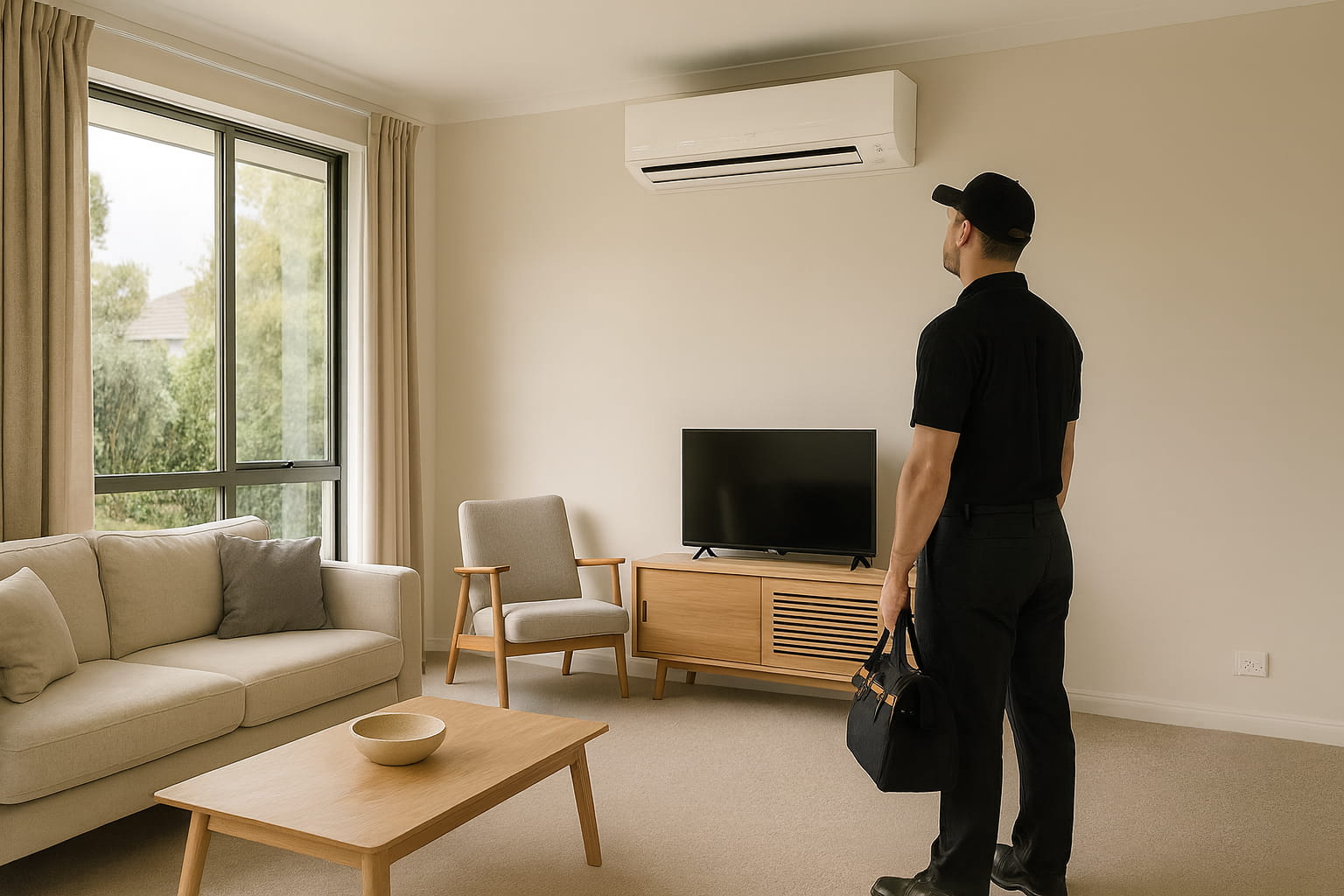
What's in Your Home Energy System?
Every home's system looks a little different, but most New Zealand homes include some or all of these components working together.
Heating & Cooling
Your heat pumps and ducted systems keep your home at a comfortable temperature year-round. They run thousands of hours per year, and every hour they run dirty, they cost you more.
Hot Water
Your hot water heat pump runs every day, often for hours at a time. When filters block and performance drops, the system works harder, runs longer and draws more power to produce the same amount of hot water.
Ventilation
Positive pressure and balanced systems manage moisture and circulate fresh air through your home. When filters and ducts get dirty, they stop pushing fresh air and start spreading what's already there.
Solar Power
Solar panels generate electricity from sunlight, but only when they're clean and performing. Unlike a dirty window you can see, solar output loss is invisible. The energy isn't leaking away. It was never captured.
Why Thinking in "Systems" Changes Everything
Nobody frames these as components of one interconnected system. The building fabric that determines how hard all of this equipment has to work gets treated as a separate matter entirely. And that fragmentation creates real problems. A heat pump that isn't matched to the home's ventilation performs poorly. Solar panels that aren't considered alongside heating patterns deliver less value. A poorly insulated home means every system works harder than it should.
The whole-system view is missing
The Three Hidden Costs of a Neglected System
When home energy systems aren't maintained, the consequences aren't dramatic. They're invisible. That's what makes them so costly. Here are the three patterns we see in homes across New Zealand.
Performance
The Set and Forget Cost Dust, mould and grime create physical resistance that you can't see. A dirty heat pump motor works harder, runs longer and uses more power. Multiply that across every system in your home and you're paying significantly more than you need to, every month, without knowing it.
Health
The Healthy Home Blindspot Systems designed to provide fresh air can become contamination sources. Dirty ventilation filters and mouldy internal fans don't just stop cleaning the air. They actively spread allergens and pollutants through every room. Every time the system runs, contamination circulates through your home.
Generation
Untapped PowerUnlike a dirty window you can see, solar output loss is invisible. The energy isn't leaking away. It was never captured in the first place. Every sunny day, power that should be generated simply isn't. And because you can't see what you're not producing, the loss goes unnoticed.
Need expert care for your system?
Book a service or explore our annual care plans for ongoing, fully managed system maintenance.