Before you go...
We built a free scorecard that shows how your heat pump, ventilation and solar systems are performing. Results are usually surprising.
Get my score
No thanks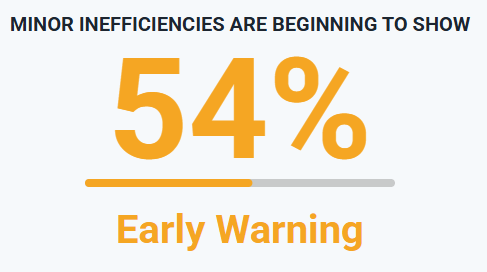
We built a free scorecard that shows how your heat pump, ventilation and solar systems are performing. Results are usually surprising.
No thanksWe built a free scorecard that shows how your heat pump, ventilation and solar systems are performing. Results are usually surprising.
No thanks

A well-maintained heat pump in New Zealand needs two things: regular homeowner upkeep and annual professional servicing. This guide covers both.
Homeowners handle filters and exterior surfaces. Professionals handle the internal components. These sit behind panels that need removing, and cleaning them safely requires equipment and products most homeowners don't have. The homeowner tasks are in the regular and seasonal sections. The professional side is covered at the end.
Every major heat pump brand sold in NZ publishes homeowner guidance. They all say clean your filters. Most say keep the outdoor unit clear. Several recommend professional servicing once a year. What none of them publishes is a task list for what a professional service should actually include. Several manufacturers also tie warranty validity to ongoing professional servicing. The FAQ below covers which brands and what they require.
Note on ducted systems: This checklist covers wall and floor mounted heat pump units. If you have a ducted heat pump, servicing involves a different scope of work. See our guide to why a ducted heat pump needs a different kind of service for what that job involves. For ducted service pricing and booking, see our ducted heat pump service page.
These tasks need to be done regularly by the homeowner, year-round, regardless of the season.
Clean the indoor filters
This is the single most important thing a homeowner can do. Daikin recommends cleaning filters every two weeks. Mitsubishi Electric recommends every seasonal change. Fujitsu says monthly for a system in daily use. The practical middle ground for most NZ homes is every four to six weeks.
To clean washable mesh filters: remove them carefully, vacuum loose dust off the surface first, then rinse under lukewarm water from the clean side through to the dirty side. If they're heavily soiled, wash gently with mild detergent and rinse thoroughly. Shake off excess water and dry completely in a shaded spot before reinstalling. Putting a damp filter back into the unit accelerates mould growth inside it.
Once the filter is out, hold it up to the light and check the frame. A warped or collapsed frame means the filter doesn't sit flush against the housing. When that happens, unfiltered air bypasses the filter entirely and passes straight over the internal coil, carrying everything the filter was supposed to catch. If the frame is damaged, replace the filter.
While the filter is out, take a quick look at the coil surface behind it. You're looking at the rows of thin metal fins that sit just inside the unit. A coil in reasonable condition will look relatively clean, maybe a light coat of dust. What you're watching for is heavy buildup: packed debris, visible grime, or dark discolouration across the fin surface. If you can see that, note it. A professional service is overdue.
Mitsubishi Heavy Industries also recommends replacing filters after approximately one year of standard use, regardless of how clean they look. Worth putting in the calendar.
Wipe down the indoor casing
A damp cloth and mild detergent on the external plastic casing. It takes two minutes and stops surface contamination migrating into the unit through gaps in the housing.
Check the room airflow
Confirm that no furniture, curtains, or objects are blocking the intake or discharge on the indoor unit. Restricted airflow forces the system to work harder and can cause the unit to cycle on and off more than it should.
Remote control batteries
Change them when response starts to feel sluggish, and remove them entirely if the system is going to sit unused for an extended period. A leaking battery inside the remote is an avoidable problem. If the remote stops working after a battery change, see heat pump remote not working or lost — on Mitsubishi Electric, Fujitsu, and Hitachi there is a reset step most owners miss.
By the way — we built a free scorecard that shows how your heat pump, ventilation and solar are performing. Results are usually surprising.
Several heat pump brands sold in New Zealand include a self-cleaning or auto-clean function. It's worth understanding what this feature does, because the name creates a common misunderstanding.
The self-clean function on most residential heat pumps is a drying cycle, not a cleaning cycle. After cooling or dry mode operation, the unit runs the fan for a period to dry the internal coil and internal surfaces. The goal is to slow mould growth by removing the moisture those surfaces accumulate during operation. Mitsubishi Heavy Industries makes this explicit in their product documentation: the Self Clean operation is not designed to remove mould, germs, or grime that have already adhered to the unit.
Mitsubishi Heavy Industries recommend running their Self Clean mode every few weeks, activated via the remote. Panasonic and some Daikin residential models include a similar drying function. Mitsubishi Electric's EcoCore AP series takes a different approach: a surface coating on internal components that slows the rate at which dust and oil adhere to the coil and fan. This reduces buildup over time but doesn't address contamination that has already accumulated.
Carrier's Allure Plus models include an Active Clean function that works differently again. It uses a freeze and thaw sequence on the internal coil to dislodge accumulated dust, mould, and grease ; closer to a cleaning action than a drying cycle. The internal fan, drain tray, drain line, and outdoor unit are not part of the Active Clean cycle and accumulate build-up regardless of whether it runs. For Carrier owners, the Carrier heat pump service guide covers what Active Clean does and doesn't reach.
What none of these features do is replace the internal coil cleaning, internal fan cleaning, drain pan service, or performance testing that a professional service covers. A unit running a self-clean or auto-clean cycle regularly will accumulate less build-up between services. It won't prevent the need for a professional service.
If your unit has a self-clean function, use it. Run it after extended cooling operation and every few weeks during the season as the manufacturer recommends. Then check your unit manual for the specific steps for your model. Treat it as a supplement to filter cleaning and professional servicing, not a replacement for either.
These are the checks to do before running the unit for summer cooling and dehumidification. In Auckland, that means around October to November.
Filter check
Before the cooling season starts, pull the filter out and do the frame check described above. If it hasn't been cleaned in the past four to six weeks, clean it now. Running the system for long hours through summer with a restricted filter adds meaningfully to power consumption. For a full breakdown of how a dirty filter and coil affect what you pay to run the system, see our article on how a dirty heat pump affects your power bill.
Visual mould check
This takes about thirty seconds.
Shine your phone torch into the opening of the indoor unit where the air comes out. You're looking at the fan barrel (the long curved blade assembly) and the white housing around it. Black spotting on the white housing is a likely sign of mould. Heavy dark buildup visible on the fan blades is another indicator.
If you can see mould, the unit needs a professional clean before you run it through the cooling season. Running a contaminated system circulates whatever is growing on those surfaces through the air in your home. For more on what causes that and what the health implications are, see our article on why your heat pump smells.
Listen when you first run it
When you switch the system on for the first time each season, stand near the indoor unit and listen for the first few minutes of operation. Normal operation produces a steady airflow sound. What you're listening for is anything outside that: grinding or rattling from the fan barrel, a squealing sound when the unit starts up, or intermittent thumping during operation. Then go outside and do the same at the outdoor unit. The compressor and fan should run steadily. Grinding, clanking, or rattling from inside the casing are all signals to get a professional to look at it before running the system through the season.
Check the condensate drain
During cooling mode, the indoor unit extracts moisture from the air. That water has to drain somewhere. The condensate line carries it out of the unit to a discharge point outside the building.
When you start running the system in cooling mode, locate the small pipe where the condensate drains to outside. Within the first thirty minutes of operation, water should be dripping or flowing from that discharge point. If it isn't, the drain line may be blocked.
A blocked condensate line means water backs up into the drain tray inside the unit. If it overflows, that water goes into your wall, ceiling, or floor. Some units have a float switch that cuts the system off when the tray is full. Many don't. Confirming the drain is clear costs nothing.
If your indoor unit is on an internal wall, there may be a condensate pump fitted rather than a gravity drain. See the condensate pump note below.
Run the dry-out cycle at the end of the cooling season
When you're done with cooling for the year, run the unit in fan-only mode for a few hours before turning it off for an extended period. This dries out the indoor coil and fan, making it much harder for mould to establish while the system sits idle. A simple habit that carries forward every year.
Outdoor unit: clearance check and hose-down
Before running the system for summer, check the clearance around the outdoor unit. The EECA Good Practice Guide for Heat Pump Installation specifies a minimum clearance of 150mm on the inlet (the side opposite the fan) and 500mm on the outlet face (fan side). If vegetation has grown in over winter, cut it back now.
To hose down the outdoor unit: power off at both the indoor controller and the outdoor isolating switch. Remove the top cover (usually a few screws) and clear any leaves or debris from inside the housing by hand.
The top cover gives you access to the fan and debris inside the housing, and that's the right stopping point. Don't open the side electrical access panel on the outdoor unit. That compartment contains capacitors that can hold a charge even after the power has been isolated, and it's not a homeowner maintenance area.
Rinse the fin surfaces with a garden hose on a gentle setting. Work from inside the unit outward through the fins, then from outside inward. Two passes from opposite directions shift more contamination than one pass alone.
Keep the pressure gentle throughout. The fins are thin aluminium and they bend easily.
Don't apply coil cleaning sprays yourself. Different aluminium alloys require different chemical formulations, and the wrong product causes corrosion. A garden hose rinse is the right stopping point for DIY. Professional coil cleaning uses the correct product for the coil type and the correct equipment to apply it.
Coastal properties need more frequent hose-downs than the seasonal schedule above. See the coastal zone section below for specifics.
These are the checks for late autumn, before the heating season starts. In Auckland, that means April to May. For a more complete guide to getting your system ready for winter, see how to prepare your heat pump for winter in NZ.
Filter check and clean
Same as the cooling season: check the frame, clean the filter, confirm it sits flush with no gaps.
Outdoor unit clearance and debris clear
Autumn leaf drop pushes organic material into outdoor units, particularly on properties with trees nearby. Remove the top cover, clear debris from the housing, and do the hose-down described above. Clearing now means the system heads into winter with full airflow available, and isn't working harder than it needs to on the coldest mornings.
Lineset insulation check
The lineset is the pair of pipes running from the indoor unit through the wall to the outdoor unit, usually wrapped in grey foam and covered by plastic trunking on the exterior wall. Where accesible, check that the foam insulation is intact along its full length. Look for splits, cracks, sections that have hardened and broken off, or areas that have been compressed or damaged. Damaged insulation reduces efficiency and accelerates condensation. Minor splits can be wrapped with insulation tape. Anything more significant needs a professional to assess.
Visual mould check
Same as the cooling season check. Before running the system hard through the heating season is the right time to do it. A unit that accumulates mould over a humid Auckland summer will circulate that through the air in your home all winter if it's not addressed first.
Listen when you first run it
When you switch the system on for the first time each season, stand near the indoor unit and listen for the first few minutes of operation. Normal operation produces a steady airflow sound. What you're listening for is anything outside that: grinding or rattling from the fan barrel, a squealing sound when the unit starts up, or intermittent thumping during operation. Then go outside and do the same at the outdoor unit. The compressor and fan should run steadily. Grinding, clanking, or rattling from inside the casing are all signals to get a professional to look at it before running the system through the season.
Outdoor fan check
Turn the system on and stand near the outdoor unit. The fan should be running and you should be able to feel airflow from the discharge. If the fan isn't running, or if you hear grinding, rattling, or squealing from the outdoor unit, turn the system off. That needs professional attention before you continue running it.
NZ uses a corrosion zone classification system based on BRANZ research and NZS 3604:2011. Zone D is classified as high corrosion risk. It covers all properties within 500 metres of the coastline (including harbours) and within 100 metres of tidal estuaries and sheltered inlets. Zone E applies to beachfront properties directly exposed to rough seas and surf.
If your property sits in Zone D or E, the outdoor unit hose-down is not an optional seasonal task. It needs to happen more frequently: at minimum every three months for Zone D properties, and more often for Zone E. Salt-laden air contacts the fins, dries, and leaves a fine saline residue. That residue accumulates and degrades the metal over time.
Mitsubishi Electric recommends washing the outdoor unit coils with diluted car wash liquid (not dishwashing liquid) and hosing down afterwards for coastal properties. Car wash liquid contains mild surfactants that help lift salt deposits that water alone won't shift.
Several manufacturers also note that corrosion damage in coastal environments is excluded from warranty coverage, even where protective coatings have been applied. Frequency of maintenance is the main factor within the homeowner's control.
For Auckland homeowners, Zone D covers a significant portion of the city: much of the North Shore, the eastern bays, and coastal suburbs across the isthmus. If you're not sure whether your property qualifies, the BRANZ online maps let you check by address.
Not all heat pumps drain by gravity. If your indoor unit is installed on an internal wall, or in a location where a continuous downward pipe run to an external discharge point isn't possible, a condensate pump has been installed to push the water out.
Condensate pumps are small, usually white, and typically mounted near the indoor unit or concealed in the ceiling space. Most homeowners don't know they have one.
The warranty on a condensate pump sits with the installer or importer, not the heat pump manufacturer. It's an industry blind spot: the component nobody mentions at installation, that fails quietly, and causes water damage when it does.
The homeowner check is simple: during cooling operation, confirm the discharge point is draining. If the unit is cutting out unexpectedly during cooling, if you can hear an unusual gurgling sound near the indoor unit, or if there's any water staining on the wall or ceiling below it, a condensate pump issue should be on the list of things to check.
Pump maintenance itself is a professional task. Knowing you have one, and recognising the warning signs of failure, is the homeowner's part of that equation.
If performance drops, work through this list before reaching for the phone. For a fuller guide to reading the symptoms, see signs your heat pump needs a service.
Start with the filter. A dirty or blocked filter is the single most common cause of reduced heating or cooling performance. Remove it and check. If it's clogged, clean it and run the system again before drawing any other conclusions.
Check the remote settings. A timer set by accident, a mode that was changed, or a setpoint adjusted by someone else in the household explains a surprising number of calls. It takes thirty seconds to check.
Look for fault codes. Most modern heat pumps display a flashing indicator or error code on the unit or remote when a fault has been logged. Check your operating manual for what the code means. Note it before calling anyone. It speeds up the diagnosis significantly. For what each symbol and indicator means by brand, see what every symbol on your heat pump remote means.
After that, hand it over. If the filter is clean, the settings are correct, there's no fault code, and performance still isn't there, the issue is likely inside the unit. A blocked indoor coil, a refrigerant issue, a failing component. These aren't areas for homeowner investigation.
The tasks above are the owner's side of the maintenance relationship. They sit alongside a professional service, not instead of one.
Every manufacturer that publishes guidance recommends annual professional servicing. For Auckland homes, given the region's humidity and coastal salt air across much of the city, twice yearly is appropriate for many high use systems that operate all year round. To book a professional heat pump service in Auckland, see our heat pump maintenance service.
A technician should measure Delta-T (the temperature differential between return air going into the unit and the supply air coming out) before and after every service. That measurement is what confirms the service actually recovered performance, not just that the unit looks cleaner. A well-serviced system in heating mode produces a temperature differential within the expected range for the conditions. A unit that still falls short after cleaning may have an underlying issue a clean alone won't fix. The before and after reading makes that visible.
The professional service covers everything the homeowner can't: internal coil cleaning, drain pan and drain line service, fan barrel cleaning, electrical board inspection, and a written condition report showing exactly what was found. See our full guide to what a professional heat pump service includes in Auckland for a detailed breakdown of what each stage covers.
A home that keeps up with filter cleaning, outdoor unit clearance, and drain checks between professional visits will get a better service outcome when the professional arrives. The baseline condition of the system is better. The work done in a professional visit goes deeper, not wider.
By the way — we built a free scorecard that shows how your heat pump, ventilation and solar are performing. Results are usually surprising.
Every four to six weeks for a system in regular use. Daikin's published guidance recommends every two weeks. Mitsubishi Electric recommends once per season. Four to six weeks is the practical middle ground for most NZ homes. In homes with pets, high dust levels, or occupants with respiratory sensitivities, clean more frequently. Check the filter frame every time you clean it. A warped frame means the filter isn't sealing properly and should be replaced. If you want a clearer picture of how your system is performing overall, the Home Energy Health Assessment takes under three minutes and produces a personalised report.
Two things come up consistently: checking the condensate drain, and checking that the filter is actually sealing against the housing. Most homeowners remove the filter, clean it, and put it back without confirming it sits flush. Gaps around the edges mean unfiltered air is bypassing the filter and heading straight for the internal coil. Both are quick checks that take under a minute once you know what to look for. If you haven't confirmed either recently, start there before your next service is due.
No. The fins on the outdoor coil are thin aluminium and bend with very little force. A pressure washer will damage them. Use a garden hose on a gentle setting. Work from inside the unit outward through the fins, then repeat from outside inward. If the outdoor coil needs a thorough chemical clean, that's a job for a professional with the right equipment and the correct cleaner for your coil type. Forcing a pressure washer won't speed things up: it creates a repair problem. The garden hose is the right stopping point for DIY.
The BRANZ corrosion zone maps are based on NZS 3604:2011. Zone D (high corrosion risk) covers all properties within 500 metres of the NZ coastline, including harbours, and within 100 metres of tidal estuaries and sheltered inlets. For Auckland, this covers a significant portion of coastal suburbs across the region. You can check your property's zone using the BRANZ online maps at branz.co.nz. If your property is in Zone D or E, the maintenance schedule in this checklist changes: the outdoor unit hose-down needs to happen at minimum every three months, not just at the start of each season.
It can. Gree's 2025 warranty explicitly states the warranty is void without annual professional service by a qualified tradesperson. Mitsubishi Heavy Industries lists lack of maintenance on drains, filters, and heat exchangers as a warranty exclusion. Mitsubishi Electric notes that maintenance records may be requested as part of any warranty claim. Check the warranty documentation that came with your unit, and keep a record of every professional service carried out. A written service report from each visit is the evidence you'd need to support any claim. For a full breakdown of how servicing and warranty relate across NZ brands, see our article on whether servicing a heat pump affects your warranty.
Filter cleaning keeps the airflow clear. It's the entry point and it matters. A professional service goes inside the unit: cleaning the evaporator coil, the fan barrel, the drain pan and drain line, inspecting the electrical boards, and measuring system performance before and after to confirm actual recovery. Filter cleaning doesn't address coil contamination, mould on the fan, or drain blockages. If your filter has been kept clean and you're still noticing reduced performance or unusual smells, that's usually a sign the internal components need attention. For a full comparison of what each level of service covers, see our guide to heat pump filter cleaning vs professional service.
Yes. Run the system in cooling mode for twenty to thirty minutes, then go outside and locate where the condensate drains. Water should be dripping or flowing from that discharge point during operation. If nothing comes out after thirty minutes of cooling, the drain may be blocked. Don't continue running the system until a professional has checked it. Heat pump leaking water: what's causing it and what to do explains the cause, what to look for, and what a professional service covers. If your unit is on an internal wall and drains via a condensate pump rather than gravity, the check is the same: confirm the discharge point is draining and listen for any unusual gurgling near the indoor unit.
Running the indoor unit in fan-only mode for a few hours after extended cooling operation dries out the evaporator coil and fan barrel before you shut the system down for the season. When those surfaces stay wet while the unit sits idle, they create the conditions mould needs to establish. Drying them out first significantly slows that process. It's one of the simplest end-of-season habits you can build, and it takes no tools. Set a reminder for the last warm spell of the year and run it then.
Take the MiHT Home Energy Health Assessment to get a clear picture of where your systems stand. It takes under three minutes and gives you a personalised report to work from.
A well-maintained heat pump in New Zealand needs two things: regular homeowner upkeep and annual professional servicing. This guide covers both.
Homeowners handle filters and exterior surfaces. Professionals handle the internal components. These sit behind panels that need removing, and cleaning them safely requires equipment and products most homeowners don't have. The homeowner tasks are in the regular and seasonal sections. The professional side is covered at the end.
Every major heat pump brand sold in NZ publishes homeowner guidance. They all say clean your filters. Most say keep the outdoor unit clear. Several recommend professional servicing once a year. What none of them publishes is a task list for what a professional service should actually include. Several manufacturers also tie warranty validity to ongoing professional servicing. The FAQ below covers which brands and what they require.
Note on ducted systems: This checklist covers wall and floor mounted heat pump units. If you have a ducted heat pump, servicing involves a different scope of work. See our guide to why a ducted heat pump needs a different kind of service for what that job involves. For ducted service pricing and booking, see our ducted heat pump service page.
These tasks need to be done regularly by the homeowner, year-round, regardless of the season.
Clean the indoor filters
This is the single most important thing a homeowner can do. Daikin recommends cleaning filters every two weeks. Mitsubishi Electric recommends every seasonal change. Fujitsu says monthly for a system in daily use. The practical middle ground for most NZ homes is every four to six weeks.
To clean washable mesh filters: remove them carefully, vacuum loose dust off the surface first, then rinse under lukewarm water from the clean side through to the dirty side. If they're heavily soiled, wash gently with mild detergent and rinse thoroughly. Shake off excess water and dry completely in a shaded spot before reinstalling. Putting a damp filter back into the unit accelerates mould growth inside it.
Once the filter is out, hold it up to the light and check the frame. A warped or collapsed frame means the filter doesn't sit flush against the housing. When that happens, unfiltered air bypasses the filter entirely and passes straight over the internal coil, carrying everything the filter was supposed to catch. If the frame is damaged, replace the filter.
While the filter is out, take a quick look at the coil surface behind it. You're looking at the rows of thin metal fins that sit just inside the unit. A coil in reasonable condition will look relatively clean, maybe a light coat of dust. What you're watching for is heavy buildup: packed debris, visible grime, or dark discolouration across the fin surface. If you can see that, note it. A professional service is overdue.
Mitsubishi Heavy Industries also recommends replacing filters after approximately one year of standard use, regardless of how clean they look. Worth putting in the calendar.
Wipe down the indoor casing
A damp cloth and mild detergent on the external plastic casing. It takes two minutes and stops surface contamination migrating into the unit through gaps in the housing.
Check the room airflow
Confirm that no furniture, curtains, or objects are blocking the intake or discharge on the indoor unit. Restricted airflow forces the system to work harder and can cause the unit to cycle on and off more than it should.
Remote control batteries
Change them when response starts to feel sluggish, and remove them entirely if the system is going to sit unused for an extended period. A leaking battery inside the remote is an avoidable problem. If the remote stops working after a battery change, see heat pump remote not working or lost — on Mitsubishi Electric, Fujitsu, and Hitachi there is a reset step most owners miss.
By the way — we built a free scorecard that shows how your heat pump, ventilation and solar are performing. Results are usually surprising.
Several heat pump brands sold in New Zealand include a self-cleaning or auto-clean function. It's worth understanding what this feature does, because the name creates a common misunderstanding.
The self-clean function on most residential heat pumps is a drying cycle, not a cleaning cycle. After cooling or dry mode operation, the unit runs the fan for a period to dry the internal coil and internal surfaces. The goal is to slow mould growth by removing the moisture those surfaces accumulate during operation. Mitsubishi Heavy Industries makes this explicit in their product documentation: the Self Clean operation is not designed to remove mould, germs, or grime that have already adhered to the unit.
Mitsubishi Heavy Industries recommend running their Self Clean mode every few weeks, activated via the remote. Panasonic and some Daikin residential models include a similar drying function. Mitsubishi Electric's EcoCore AP series takes a different approach: a surface coating on internal components that slows the rate at which dust and oil adhere to the coil and fan. This reduces buildup over time but doesn't address contamination that has already accumulated.
Carrier's Allure Plus models include an Active Clean function that works differently again. It uses a freeze and thaw sequence on the internal coil to dislodge accumulated dust, mould, and grease ; closer to a cleaning action than a drying cycle. The internal fan, drain tray, drain line, and outdoor unit are not part of the Active Clean cycle and accumulate build-up regardless of whether it runs. For Carrier owners, the Carrier heat pump service guide covers what Active Clean does and doesn't reach.
What none of these features do is replace the internal coil cleaning, internal fan cleaning, drain pan service, or performance testing that a professional service covers. A unit running a self-clean or auto-clean cycle regularly will accumulate less build-up between services. It won't prevent the need for a professional service.
If your unit has a self-clean function, use it. Run it after extended cooling operation and every few weeks during the season as the manufacturer recommends. Then check your unit manual for the specific steps for your model. Treat it as a supplement to filter cleaning and professional servicing, not a replacement for either.
These are the checks to do before running the unit for summer cooling and dehumidification. In Auckland, that means around October to November.
Filter check
Before the cooling season starts, pull the filter out and do the frame check described above. If it hasn't been cleaned in the past four to six weeks, clean it now. Running the system for long hours through summer with a restricted filter adds meaningfully to power consumption. For a full breakdown of how a dirty filter and coil affect what you pay to run the system, see our article on how a dirty heat pump affects your power bill.
Visual mould check
This takes about thirty seconds.
Shine your phone torch into the opening of the indoor unit where the air comes out. You're looking at the fan barrel (the long curved blade assembly) and the white housing around it. Black spotting on the white housing is a likely sign of mould. Heavy dark buildup visible on the fan blades is another indicator.
If you can see mould, the unit needs a professional clean before you run it through the cooling season. Running a contaminated system circulates whatever is growing on those surfaces through the air in your home. For more on what causes that and what the health implications are, see our article on why your heat pump smells.
Listen when you first run it
When you switch the system on for the first time each season, stand near the indoor unit and listen for the first few minutes of operation. Normal operation produces a steady airflow sound. What you're listening for is anything outside that: grinding or rattling from the fan barrel, a squealing sound when the unit starts up, or intermittent thumping during operation. Then go outside and do the same at the outdoor unit. The compressor and fan should run steadily. Grinding, clanking, or rattling from inside the casing are all signals to get a professional to look at it before running the system through the season.
Check the condensate drain
During cooling mode, the indoor unit extracts moisture from the air. That water has to drain somewhere. The condensate line carries it out of the unit to a discharge point outside the building.
When you start running the system in cooling mode, locate the small pipe where the condensate drains to outside. Within the first thirty minutes of operation, water should be dripping or flowing from that discharge point. If it isn't, the drain line may be blocked.
A blocked condensate line means water backs up into the drain tray inside the unit. If it overflows, that water goes into your wall, ceiling, or floor. Some units have a float switch that cuts the system off when the tray is full. Many don't. Confirming the drain is clear costs nothing.
If your indoor unit is on an internal wall, there may be a condensate pump fitted rather than a gravity drain. See the condensate pump note below.
Run the dry-out cycle at the end of the cooling season
When you're done with cooling for the year, run the unit in fan-only mode for a few hours before turning it off for an extended period. This dries out the indoor coil and fan, making it much harder for mould to establish while the system sits idle. A simple habit that carries forward every year.
Outdoor unit: clearance check and hose-down
Before running the system for summer, check the clearance around the outdoor unit. The EECA Good Practice Guide for Heat Pump Installation specifies a minimum clearance of 150mm on the inlet (the side opposite the fan) and 500mm on the outlet face (fan side). If vegetation has grown in over winter, cut it back now.
To hose down the outdoor unit: power off at both the indoor controller and the outdoor isolating switch. Remove the top cover (usually a few screws) and clear any leaves or debris from inside the housing by hand.
The top cover gives you access to the fan and debris inside the housing, and that's the right stopping point. Don't open the side electrical access panel on the outdoor unit. That compartment contains capacitors that can hold a charge even after the power has been isolated, and it's not a homeowner maintenance area.
Rinse the fin surfaces with a garden hose on a gentle setting. Work from inside the unit outward through the fins, then from outside inward. Two passes from opposite directions shift more contamination than one pass alone.
Keep the pressure gentle throughout. The fins are thin aluminium and they bend easily.
Don't apply coil cleaning sprays yourself. Different aluminium alloys require different chemical formulations, and the wrong product causes corrosion. A garden hose rinse is the right stopping point for DIY. Professional coil cleaning uses the correct product for the coil type and the correct equipment to apply it.
Coastal properties need more frequent hose-downs than the seasonal schedule above. See the coastal zone section below for specifics.
These are the checks for late autumn, before the heating season starts. In Auckland, that means April to May. For a more complete guide to getting your system ready for winter, see how to prepare your heat pump for winter in NZ.
Filter check and clean
Same as the cooling season: check the frame, clean the filter, confirm it sits flush with no gaps.
Outdoor unit clearance and debris clear
Autumn leaf drop pushes organic material into outdoor units, particularly on properties with trees nearby. Remove the top cover, clear debris from the housing, and do the hose-down described above. Clearing now means the system heads into winter with full airflow available, and isn't working harder than it needs to on the coldest mornings.
Lineset insulation check
The lineset is the pair of pipes running from the indoor unit through the wall to the outdoor unit, usually wrapped in grey foam and covered by plastic trunking on the exterior wall. Where accesible, check that the foam insulation is intact along its full length. Look for splits, cracks, sections that have hardened and broken off, or areas that have been compressed or damaged. Damaged insulation reduces efficiency and accelerates condensation. Minor splits can be wrapped with insulation tape. Anything more significant needs a professional to assess.
Visual mould check
Same as the cooling season check. Before running the system hard through the heating season is the right time to do it. A unit that accumulates mould over a humid Auckland summer will circulate that through the air in your home all winter if it's not addressed first.
Listen when you first run it
When you switch the system on for the first time each season, stand near the indoor unit and listen for the first few minutes of operation. Normal operation produces a steady airflow sound. What you're listening for is anything outside that: grinding or rattling from the fan barrel, a squealing sound when the unit starts up, or intermittent thumping during operation. Then go outside and do the same at the outdoor unit. The compressor and fan should run steadily. Grinding, clanking, or rattling from inside the casing are all signals to get a professional to look at it before running the system through the season.
Outdoor fan check
Turn the system on and stand near the outdoor unit. The fan should be running and you should be able to feel airflow from the discharge. If the fan isn't running, or if you hear grinding, rattling, or squealing from the outdoor unit, turn the system off. That needs professional attention before you continue running it.
NZ uses a corrosion zone classification system based on BRANZ research and NZS 3604:2011. Zone D is classified as high corrosion risk. It covers all properties within 500 metres of the coastline (including harbours) and within 100 metres of tidal estuaries and sheltered inlets. Zone E applies to beachfront properties directly exposed to rough seas and surf.
If your property sits in Zone D or E, the outdoor unit hose-down is not an optional seasonal task. It needs to happen more frequently: at minimum every three months for Zone D properties, and more often for Zone E. Salt-laden air contacts the fins, dries, and leaves a fine saline residue. That residue accumulates and degrades the metal over time.
Mitsubishi Electric recommends washing the outdoor unit coils with diluted car wash liquid (not dishwashing liquid) and hosing down afterwards for coastal properties. Car wash liquid contains mild surfactants that help lift salt deposits that water alone won't shift.
Several manufacturers also note that corrosion damage in coastal environments is excluded from warranty coverage, even where protective coatings have been applied. Frequency of maintenance is the main factor within the homeowner's control.
For Auckland homeowners, Zone D covers a significant portion of the city: much of the North Shore, the eastern bays, and coastal suburbs across the isthmus. If you're not sure whether your property qualifies, the BRANZ online maps let you check by address.
Not all heat pumps drain by gravity. If your indoor unit is installed on an internal wall, or in a location where a continuous downward pipe run to an external discharge point isn't possible, a condensate pump has been installed to push the water out.
Condensate pumps are small, usually white, and typically mounted near the indoor unit or concealed in the ceiling space. Most homeowners don't know they have one.
The warranty on a condensate pump sits with the installer or importer, not the heat pump manufacturer. It's an industry blind spot: the component nobody mentions at installation, that fails quietly, and causes water damage when it does.
The homeowner check is simple: during cooling operation, confirm the discharge point is draining. If the unit is cutting out unexpectedly during cooling, if you can hear an unusual gurgling sound near the indoor unit, or if there's any water staining on the wall or ceiling below it, a condensate pump issue should be on the list of things to check.
Pump maintenance itself is a professional task. Knowing you have one, and recognising the warning signs of failure, is the homeowner's part of that equation.
If performance drops, work through this list before reaching for the phone. For a fuller guide to reading the symptoms, see signs your heat pump needs a service.
Start with the filter. A dirty or blocked filter is the single most common cause of reduced heating or cooling performance. Remove it and check. If it's clogged, clean it and run the system again before drawing any other conclusions.
Check the remote settings. A timer set by accident, a mode that was changed, or a setpoint adjusted by someone else in the household explains a surprising number of calls. It takes thirty seconds to check.
Look for fault codes. Most modern heat pumps display a flashing indicator or error code on the unit or remote when a fault has been logged. Check your operating manual for what the code means. Note it before calling anyone. It speeds up the diagnosis significantly. For what each symbol and indicator means by brand, see what every symbol on your heat pump remote means.
After that, hand it over. If the filter is clean, the settings are correct, there's no fault code, and performance still isn't there, the issue is likely inside the unit. A blocked indoor coil, a refrigerant issue, a failing component. These aren't areas for homeowner investigation.
The tasks above are the owner's side of the maintenance relationship. They sit alongside a professional service, not instead of one.
Every manufacturer that publishes guidance recommends annual professional servicing. For Auckland homes, given the region's humidity and coastal salt air across much of the city, twice yearly is appropriate for many high use systems that operate all year round. To book a professional heat pump service in Auckland, see our heat pump maintenance service.
A technician should measure Delta-T (the temperature differential between return air going into the unit and the supply air coming out) before and after every service. That measurement is what confirms the service actually recovered performance, not just that the unit looks cleaner. A well-serviced system in heating mode produces a temperature differential within the expected range for the conditions. A unit that still falls short after cleaning may have an underlying issue a clean alone won't fix. The before and after reading makes that visible.
The professional service covers everything the homeowner can't: internal coil cleaning, drain pan and drain line service, fan barrel cleaning, electrical board inspection, and a written condition report showing exactly what was found. See our full guide to what a professional heat pump service includes in Auckland for a detailed breakdown of what each stage covers.
A home that keeps up with filter cleaning, outdoor unit clearance, and drain checks between professional visits will get a better service outcome when the professional arrives. The baseline condition of the system is better. The work done in a professional visit goes deeper, not wider.
By the way — we built a free scorecard that shows how your heat pump, ventilation and solar are performing. Results are usually surprising.
Every four to six weeks for a system in regular use. Daikin's published guidance recommends every two weeks. Mitsubishi Electric recommends once per season. Four to six weeks is the practical middle ground for most NZ homes. In homes with pets, high dust levels, or occupants with respiratory sensitivities, clean more frequently. Check the filter frame every time you clean it. A warped frame means the filter isn't sealing properly and should be replaced. If you want a clearer picture of how your system is performing overall, the Home Energy Health Assessment takes under three minutes and produces a personalised report.
Two things come up consistently: checking the condensate drain, and checking that the filter is actually sealing against the housing. Most homeowners remove the filter, clean it, and put it back without confirming it sits flush. Gaps around the edges mean unfiltered air is bypassing the filter and heading straight for the internal coil. Both are quick checks that take under a minute once you know what to look for. If you haven't confirmed either recently, start there before your next service is due.
No. The fins on the outdoor coil are thin aluminium and bend with very little force. A pressure washer will damage them. Use a garden hose on a gentle setting. Work from inside the unit outward through the fins, then repeat from outside inward. If the outdoor coil needs a thorough chemical clean, that's a job for a professional with the right equipment and the correct cleaner for your coil type. Forcing a pressure washer won't speed things up: it creates a repair problem. The garden hose is the right stopping point for DIY.
The BRANZ corrosion zone maps are based on NZS 3604:2011. Zone D (high corrosion risk) covers all properties within 500 metres of the NZ coastline, including harbours, and within 100 metres of tidal estuaries and sheltered inlets. For Auckland, this covers a significant portion of coastal suburbs across the region. You can check your property's zone using the BRANZ online maps at branz.co.nz. If your property is in Zone D or E, the maintenance schedule in this checklist changes: the outdoor unit hose-down needs to happen at minimum every three months, not just at the start of each season.
It can. Gree's 2025 warranty explicitly states the warranty is void without annual professional service by a qualified tradesperson. Mitsubishi Heavy Industries lists lack of maintenance on drains, filters, and heat exchangers as a warranty exclusion. Mitsubishi Electric notes that maintenance records may be requested as part of any warranty claim. Check the warranty documentation that came with your unit, and keep a record of every professional service carried out. A written service report from each visit is the evidence you'd need to support any claim. For a full breakdown of how servicing and warranty relate across NZ brands, see our article on whether servicing a heat pump affects your warranty.
Filter cleaning keeps the airflow clear. It's the entry point and it matters. A professional service goes inside the unit: cleaning the evaporator coil, the fan barrel, the drain pan and drain line, inspecting the electrical boards, and measuring system performance before and after to confirm actual recovery. Filter cleaning doesn't address coil contamination, mould on the fan, or drain blockages. If your filter has been kept clean and you're still noticing reduced performance or unusual smells, that's usually a sign the internal components need attention. For a full comparison of what each level of service covers, see our guide to heat pump filter cleaning vs professional service.
Yes. Run the system in cooling mode for twenty to thirty minutes, then go outside and locate where the condensate drains. Water should be dripping or flowing from that discharge point during operation. If nothing comes out after thirty minutes of cooling, the drain may be blocked. Don't continue running the system until a professional has checked it. Heat pump leaking water: what's causing it and what to do explains the cause, what to look for, and what a professional service covers. If your unit is on an internal wall and drains via a condensate pump rather than gravity, the check is the same: confirm the discharge point is draining and listen for any unusual gurgling near the indoor unit.
Running the indoor unit in fan-only mode for a few hours after extended cooling operation dries out the evaporator coil and fan barrel before you shut the system down for the season. When those surfaces stay wet while the unit sits idle, they create the conditions mould needs to establish. Drying them out first significantly slows that process. It's one of the simplest end-of-season habits you can build, and it takes no tools. Set a reminder for the last warm spell of the year and run it then.
Take the MiHT Home Energy Health Assessment to get a clear picture of where your systems stand. It takes under three minutes and gives you a personalised report to work from.