Before you go...
We built a free scorecard that shows how your heat pump, ventilation and solar systems are performing. Results are usually surprising.
Get my score
No thanks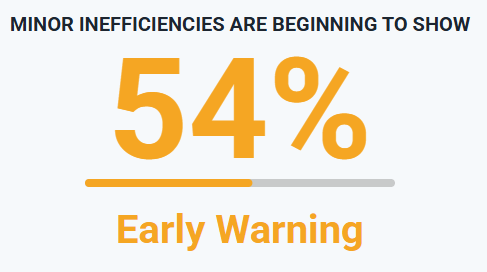
We built a free scorecard that shows how your heat pump, ventilation and solar systems are performing. Results are usually surprising.
No thanksWe built a free scorecard that shows how your heat pump, ventilation and solar systems are performing. Results are usually surprising.
No thanks

You've had your solar panels for a year or so. The app ticks along. Power's being generated. And at some point, you've probably wondered: do these things actually need anything done to them, or do they just keep working?
It's a reasonable question. The installer handed over the system and left. Nobody gave you a maintenance schedule. When you search online, you get "solar panels are basically self-maintaining" sitting right next to "get them professionally cleaned every six months." The gap between those two positions is where a lot of NZ homeowners get stuck.
This is what a professional solar panel service actually involves, what you receive at the end of it, and how to work out whether your specific installation needs regular professional care.
A thorough service should follow these steps:
Before anything gets touched, the technician does a visual inspection of the entire array. They're looking for cracked glass, wiring issues, frame damage, corrosion, bird nests, or debris that could affect drainage. This baseline matters. You need to know what you're starting with.
The cleaning uses soft-bristle brushes or microfibre cloths with purified or deionised water where appropriate. Auckland's water supply is relatively soft, so mineral residue from tap water is modest, a proper squeegee finish largely addresses it. The technician applies gentle pressure only. High-pressure washing damages seals and the glass surface.
The process removes dirt, dust, bird droppings, lichen, pollen, and organic growth. On NZ installations, lichen deserves specific attention. Auckland's humidity creates conditions where lichen bonds chemically to the glass. Rain won't remove it. Specialist cleaning solutions are required. For a full explanation of what lichen does to panel glass and why it requires a different approach from standard cleaning, see lichen, moss, and biological growth on solar panels.
While cleaning is underway, the technician also inspects frames and mounting hardware for corrosion, loose fittings, warping, or damage. Gutters and drainage areas around the panel array get cleared of debris.
Before cleaning begins, the technician takes an inverter output reading to establish a baseline. After the clean is complete, a second reading confirms what the service actually recovered. Without both readings, there is no objective record of whether the work made a difference.
The visit ends with a written condition report: before and after photos, a record of what was found, documentation of what was done, and any issues flagged for follow-up.
A professional solar service does not include electrical repairs or structural work. If the inspection turns up a faulty inverter, damaged wiring, or a structural problem with the mounting, a good technician will document it and refer you to a qualified electrician or your original installer.
For a specialist service in Auckland that includes inspection, cleaning, before and after inverter readings, and a written condition report, expect to pay between $249 and $615 for a standard residential system.
The main factors that move the price are the number of panels, roof height and access difficulty, the level of contamination on arrival, and whether the roof is flat or low-pitch. Flat or low-angle installations require more involved cleaning because water pools at the lower panel edge rather than draining away.
At the lower end of the market, some operators charge a per-panel rate with no inspection and no condition report. The price is lower because the scope is narrower. Before booking a service quoted well below this range, ask what it actually includes.
Not sure if your system needs a visit yet? See solar panel maintenance checklist for NZ homeowners or what to check yourself first.
A few things worth checking before you book.
No pressure washers. A professional service uses soft-bristle brushes and low-pressure water only. High-pressure washing forces water into electrical components and can destroy panel seals. Any operator using a pressure washer on solar panels is doing the job incorrectly, and your warranty may not cover the outcome.
Purified or deionised water. Ask directly whether they use purified water. It dries without leaving mineral residue on the panel glass. In Auckland's relatively soft water supply the practical difference for general cleaning is modest, but it remains a baseline indicator of a specialist service rather than a general exterior cleaner who added panels to their list.
A written condition report with before and after photos. If this is not included as standard, ask why. It is a basic professional requirement, not an optional extra. Without it, you have no maintenance record and no baseline for the next visit.
Before and after inverter readings. This is the only objective measure of what the service recovered. Without those readings, output improvement is invisible. You are taking the technician's word for it.
For homes on tank water. If lichen treatment involves biocides, confirm that the chemicals used carry AS/NZS 4020 certification — the standard for materials safe in contact with drinking water — and that a disconnect-and-flush protocol is followed before any application. Most homeowners on rural or semi-rural tank water do not think to ask this. It is worth asking.
One to two hours on site, depending on array size and how dirty the panels are. A small residential array in reasonable condition takes less time than a larger system with significant lichen or heavy bird activity.How often your system needs professional attention depends on your environment. Flat roofs, coastal properties, and homes near trees or recent construction all accumulate contamination faster than a steeply pitched inland roof. For a full breakdown of what determines your maintenance frequency, see solar panel maintenance in NZ: how to build the right plan.
You can clean your own panels within limits. Access and inspection are where DIY falls short.The practical limits are real though. Tap water leaves mineral spots. Safe rooftop access requires the right equipment. And most people who clean their own panels won't also inspect frames, check mounting hardware, or verify that performance actually improved after cleaning. Those inspection steps are where the real value sits in a professional service. For the actual cleaning method and what to avoid, see how to clean solar panels in NZ.
Once every one to two years is a reasonable starting point for most NZ installations, though your specific environment affects this. See solar panel maintenance in NZ for how to work out the right interval for your system.
Rain helps on steeply pitched roofs with consistent rainfall and light contamination. It doesn't reliably clean flat or low-angle installations, where water runs off too slowly to carry debris away. It also won't remove lichen, which bonds chemically to the glass and requires specialist cleaning solutions. Bird droppings and tree sap are similarly resistant to rain. If you're relying on rain to maintain your panels, check whether your roof pitch actually supports that. Many NZ installations don't.
DIY cleaning with a soft brush, gentle water flow, and no harsh chemicals is valid for light maintenance on accessible, low-risk installations. The main limitations are rooftop access requiring proper safety equipment and the absence of any inspection component. A professional service includes an inspection before cleaning begins, cleaning with purified water, before and after inverter readings to confirm what the service recovered, and a written condition report with photos. For installations in higher-risk environments, the inspection component is where the real value sits.
Dirty panels reduce output rather than causing immediate damage in most cases. Bird droppings are an exception; they're acidic and can degrade the glass surface if left long-term. Lichen, if left to establish and spread, can also cause surface damage over time. The more common consequence of neglected panels is gradual, invisible output loss. The system still runs. It just generates less than it should.
A condition report from a professional solar service should include before and after photos, a record of the contamination found, documentation of the cleaning carried out, and details of any issues identified during the inspection; frame corrosion, loose mounting hardware, wiring concerns. Anything outside the scope of a cleaning service should be documented clearly and referred to the appropriate specialist. A written condition report is a basic professional standard, not an optional extra.
That depends on your installation. For systems in low-risk environments (steeply pitched roofs, consistent rainfall, no nearby trees or significant bird activity), the case for frequent professional cleaning is less clear. For installations on flat roofs, coastal properties, or areas with trees, construction, or high bird activity, the output recovered from a professional clean typically exceeds the cost of the service.