Before you go...
We built a free scorecard that shows how your heat pump, ventilation and solar systems are performing. Results are usually surprising.
Get my score
No thanks
We built a free scorecard that shows how your heat pump, ventilation and solar systems are performing. Results are usually surprising.
No thanksWe built a free scorecard that shows how your heat pump, ventilation and solar systems are performing. Results are usually surprising.
No thanks
The July 2025 Healthy Homes deadline has passed. Thousands of rental properties now have a qualifying heat pump installed. The compliance box has been ticked by most landlords.
What the compliance process didn't create was a maintenance culture. It's now five years since the first heat pumps were installed for the new standard. The gap between installation and ongoing care is starting to show up inside the units themselves.
Most professional property managers and landlords now understand that any heating device installed for the Healthy Homes standard needs to be maintained in good working order. Good working order means a heat pump can heat the main living room to at least 18°C and is maintained in a condition that sustains that capability over time. The Healthy Homes heating standard uses that phrase, but it doesn't define what it looks like at the system level.
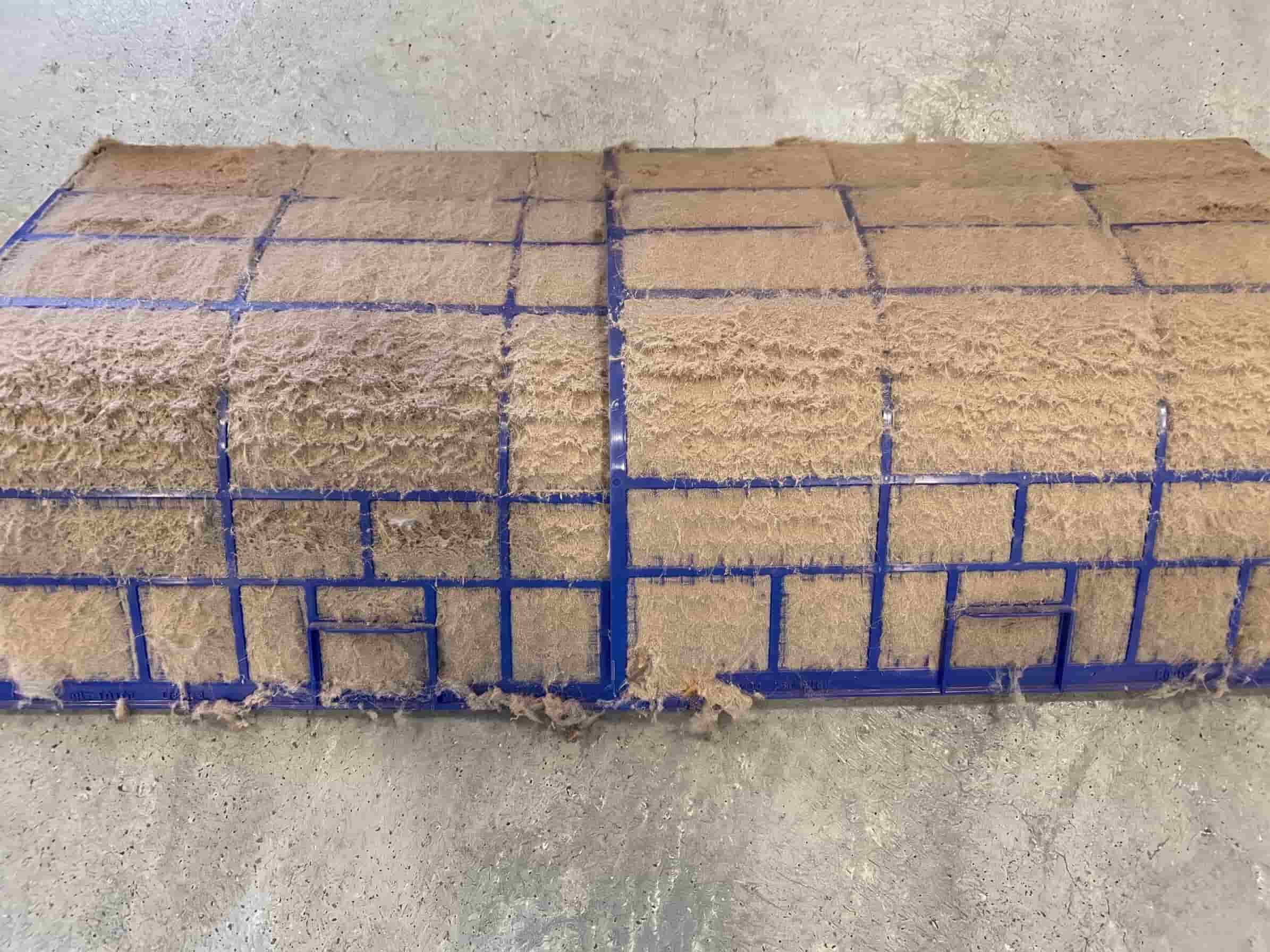
A heat pump can pass a compliance assessment on the day it's installed and begin degrading from that point. Filters accumulate dust and organic matter. Internal components build up residue. Drain lines block. None of this is visible from the outside, and none of it triggers an alert on the thermostat.
Good working order is a condition that requires active maintenance to sustain. The installation deadline created a natural stopping point. The maintenance obligation didn't.
Tenants are legally responsible for cleaning accessible heat pump filters as part of their obligation to keep the property reasonably clean and tidy. According to tenancy.govt.nz (last updated 1 July 2025):
"Tenants are required to keep the rental property reasonably clean and tidy, this includes any heat pumps or heaters installed for the healthy homes heating standard or supplied as part of the rental property. Where it is accessible and easy to do so, a tenant must clean a device and its filters to a reasonable standard."
That responsibility comes with a condition: the unit must be accessible and easy to clean.
A number of units installed under the Healthy Homes compliance push were fitted on walls that require a ladder to reach. In those cases, the filter cleaning responsibility doesn't fall to the tenant. It falls to the landlord. The legislation is clear about it, but it's a distinction many property managers haven't yet encountered.
Many tenants haven't lived with a heat pump before. Where they haven't been shown how to clean filters, passing on the responsibility without the knowledge doesn't transfer the obligation in any meaningful way.
Filter cleaning is the one maintenance task tenants can reasonably be expected to do. The legislation supports it, and it genuinely matters.
The reality of how consistently it happens is a different question. Many tenants don't know filters need cleaning, don't know how to do it, or don't do it often enough to make a difference. The condition of heat pumps we service in rental properties varies enormously. Some units have barely been used and are relatively clean. Others have been running continuously in demanding environments and are accumulating build-up at a rate that would surprise most property managers.
Usage patterns and environments differ that much. A coastal property with salt air, a household that cooks heavily, a home with pets, a unit running 24 hours a day in winter. Each of those conditions accelerates the rate of build-up. The tenancy might be 12 months. The filter might have been cleaned once, or not at all.
Even when filters are cleaned regularly, it covers only part of the system.
The internal fan sits behind the filter, deeper inside the unit. Organic matter builds up on the blade surface over time. What you're looking for is grey or black spotting on the blade surface or the surrounding housing. That's mould. Growing exactly where the air comes from before it reaches the room.
A filter clean never touches it. In our experience, tenants almost certainly haven't looked in there. Most don't know to. For tenants and landlords noticing this, our guide on why heat pumps smell explains what's actually causing it.
Running a heat pump with a dirty filter forces the compressor to work harder. Restricted airflow means the system has to run longer and at greater load to reach the set temperature. Heat pumps being run at extreme settings compound this. Some tenants, unfamiliar with how the technology works, set units to 28°C in heating mode or 16°C in cooling. That puts the compressor under sustained pressure.
The compressor is the most expensive component in the system. It isn't easily repaired. When it fails, the unit is typically written off.
A heat pump that is maintained regularly should last 15 years or more in most NZ conditions. One that is run hard and never serviced may fail well before the ten-year mark. For a landlord who installed under the compliance deadline, that means replacing a unit that should still have years of life left. They're back at square one on compliance.
Many units installed in rental properties during the compliance wave were fitted on internal walls where gravity drainage to an outside exit point wasn't possible. In those cases, installers fit a condensate pump to move the water generated during cooling out of the system.
It's a small mechanical device, roughly 150mm wide, mounted beside or just below the indoor unit. It has a float switch, a motor, and a check valve. Any of those components can fail. When they do, water backs up in the unit, the drain pan fills, and it overflows. For more on what that looks like and what to do, see heat pump leaking water.
On an internal wall, that water tracks down the wall surface and into the wall lining. On a second level, it can also track into the floor space below. Water damage of that kind is expensive to repair.
Drain line blockage carries the same risk. Over time, a drain line accumulates sludge from the drain pan where the water collects before flowing out. A line that's kinked, crushed, or made from the wrong material blocks more readily than a correctly routed one. When it blocks, water backs up the same way. The same damage follows.
A professional service includes checking condensate drainage as part of the visit. Without that, the first sign is usually damage that's already done.
Most rental properties are cleaned thoroughly between tenancies. Surfaces are wiped, kitchens and bathrooms are scrubbed, carpets are cleaned. The property is presented to the incoming tenant in good condition.
Heat pumps don't get the same attention. In a number of properties we've serviced, the unit was caked with dust, grease, and organic build-up from the previous tenancy. The rest of the property was spotless. The heat pump had been overlooked entirely.
The incoming tenant inherits whatever the previous occupant left behind: restricted airflow, mould on the fan blades, and drainage issues that continued unchecked through the tenancy. They also inherit the compliance risk. A unit in that condition is not in good working order, regardless of when it was installed.
Tenants are increasingly aware of this. Many are now asking whether the heat pump has been serviced before they move in. A rental that's been cleaned top to bottom but has a dirty heat pump is starting to create friction at letting time. That expectation is only going to become more common.
The Healthy Homes compliance deadline created a significant surge in demand for heat pump installations. That surge attracted a large number of new installers into the market, including businesses with limited residential installation experience. Some of those installations were completed to a standard that will produce problems over the coming years.
Refrigerant leaks are one example. These typically trace back to pipework that wasn't installed correctly or wasn't pressure-tested at commissioning. A refrigerant leak doesn't show up immediately. Over time, it reduces the system's ability to heat or cool efficiently and puts sustained pressure on the compressor. That shortens the unit's service life.
Poorly routed drain lines are another. These are already appearing in properties we service, and the water damage consequences are covered in the section above.
The concern for property managers is unit longevity. Heat pumps that were installed by inexperienced operators, have never been serviced, and are being run hard by tenants unfamiliar with them will fail earlier than they should. That's a replacement cost and a compliance gap arriving at the same time.
Two checks can be added to any routine property inspection without technical expertise and take under five minutes combined.
Filter check. Turn the unit off at the wall. Lift the front panel. On most wall-mounted units it hinges upward. Slide out the filters. If they're heavily loaded with dust and debris, note the condition and whether the unit needs attention before the next tenancy. Never reinstall a damp filter if the tenant has washed them recently.
Mould check. Put the filters back in and turn the unit on at the lowest fan speed. This opens the louvres at the bottom. Open the torch on your phone and shine it up into the outlet. Look at the fan blades and the housing around them. Grey or black spotting is mould. Dust is not.
For units that haven't been professionally serviced since installation, scheduling a heat pump service visit establishes a documented baseline condition record. That documentation matters for insurance purposes and for managing end-of-tenancy disputes.Documentation is what decides those disputes. Our analysis of 348 Tribunal decisions found landlords lost 8 of 8 determined primary heating claims in the first five months of 2026.
Tenant filter cleaning addresses one part of the maintenance picture. The condensate system, the internal coil, the fan assembly, and the drainage path all require professional attention. Without a scheduled servicing programme, property managers are relying on a tenant behaviour they can't verify to carry the entire maintenance obligation. That's not a system. It's a gap. Ventilation maintenance for rental properties requires the same structured approach. For a practical checklist property managers can use at every routine inspection, the home energy system inspection guide for rental properties covers what to check on heat pumps, ventilation systems, and extractor fans without tools or ceiling access.
Yes. Landlords are responsible for maintaining any heaters and ventilation systems in a rental property. Tenants are responsible for keeping accessible filters clean as part of their obligation to keep the property reasonably clean and tidy. Where a filter isn't easily accessible, for example where a ladder is required to reach the unit, the maintenance responsibility sits with the landlord. Source: tenancy.govt.nz, last updated 1 July 2025.
The Healthy Homes Standards don't specify a servicing frequency. The standard requires heating devices to be kept in good working order. A professional service every 12 to 24 months is consistent with that requirement, depending on usage intensity and the property environment. High-use rental properties may require more frequent servicing.
Two things: filter condition and mould on the internal fan. For filters, turn the unit off, lift the front panel, and slide out the filters. For mould, turn the unit on at the lowest fan speed, shine a phone torch up through the louvres, and look at the fan blades and surrounding housing. Grey or black spotting is mould. Both checks take under five minutes.
A condensate pump is a small mechanical device fitted to heat pumps installed on internal walls where gravity drainage isn't possible. Its job is to pump moisture out of the unit during cooling. Condensate pumps are common in rental properties installed under the Healthy Homes compliance wave. They require maintenance and can fail, often with no visible warning until water appears on the wall or floor.
The incoming tenant inherits the build-up from the previous tenancy. Filters accumulate organic matter and restrict airflow. Mould on the fan blades circulates through the air the tenant breathes. Drainage issues that developed during the previous tenancy continue unchecked. More tenants are now asking whether the heat pump has been serviced before they commit to a property. It's becoming a letting consideration, not just a maintenance one.