Before you go...
We built a free scorecard that shows how your heat pump, ventilation and solar systems are performing. Results are usually surprising.
Get my score
No thanks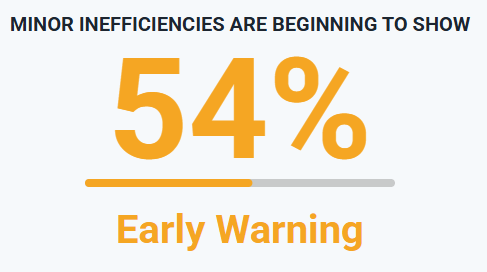
We built a free scorecard that shows how your heat pump, ventilation and solar systems are performing. Results are usually surprising.
No thanksWe built a free scorecard that shows how your heat pump, ventilation and solar systems are performing. Results are usually surprising.
No thanks
Here is the full article with markdown links added, followed by the meta description.
The installer commissioned the system, collected the paperwork, and moved on. That is how it works. The job is finished when the unit is running.
What happens to the system after that is a different conversation. One that almost never takes place.
Most Auckland homeowners have invested thousands in heat pumps, ventilation systems, and solar panels. Most received a quick verbal mention of filters, a manual they filed away, and nothing else. The assumption they were left with is reasonable: the system will manage itself until something goes wrong.
That assumption is costing them money every month.
A heat pump does not fail suddenly. It degrades.
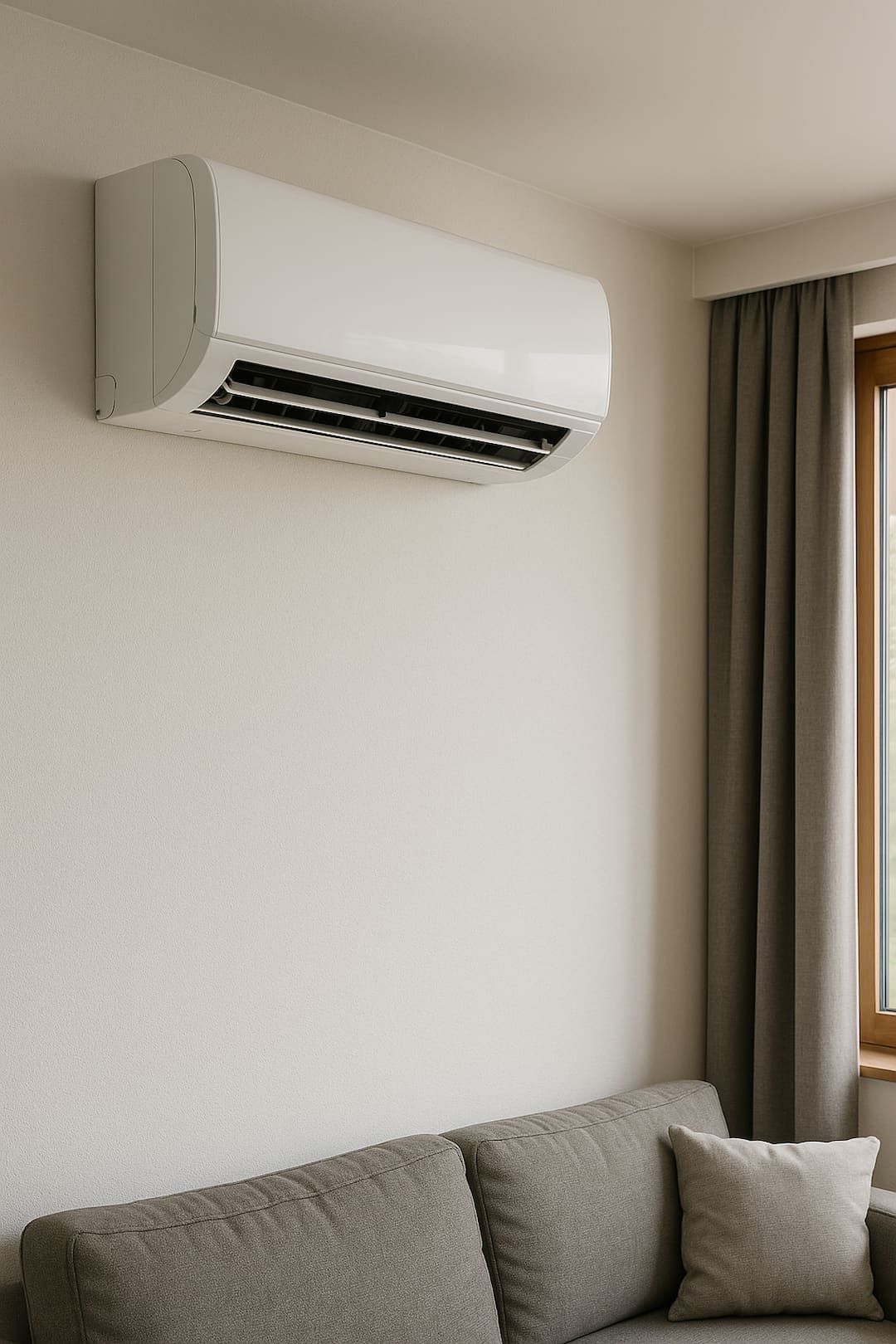
Dust builds on the internal coil, the component air passes across to transfer heat. The layer thickens. Heat transfer becomes less efficient. The compressor runs longer to compensate. Power consumption rises. The room takes longer to reach temperature.
Behind the coil sits the internal fan. In Auckland's humid climate, moisture and organic matter accumulate on the blades through every cooling cycle. The result is a layer of growth that gets distributed through the air in your home every time the unit runs. The filter catches some of what the air carries. It does not reach the fan.
The condensate drain collects moisture from the cooling cycle. Over time it blocks. Water backs up inside the unit instead of clearing through the wall. The drain pan fills. Eventually it overflows somewhere you cannot see.
None of this is visible from the outside. None of it produces an error code. The unit keeps running, using progressively more power to deliver progressively less.
This is The Set and Forget Cost. Not a breakdown. A slow loss of efficiency that compounds across months and years while the power bill quietly reflects it.
If your home has a positive pressure ventilation system, DVS, SmartVent, HRV, or similar, there is a filter in your roof cavity. Its job is to catch dust, insulation fibres, and organic particles from the roof cavity air before the fan pushes it into your living areas.
Most homeowners have never seen it.
A filter that has not been replaced in two or more years is not catching anything. At a certain point it becomes a source of contamination rather than a barrier against it. Mould grows in a damp, loaded filter. The fan moves that air into your home through the same ceiling diffusers it always has.
The ducting that carries air to each room can also disconnect at the branch joints over time. One room gets no airflow. Nothing signals this from inside the house. The system sounds like it is running because it is.
This is The Healthy Home Blindspot. The system appears to be working. There is no obvious failure. The gap between what it is delivering and what it should deliver has been widening, often for years, in the one system that was installed to improve your indoor air.
For more on what a neglected ventilation system looks like inside, see the guide to old DVS systems that have not been maintained.
Your solar monitoring app shows you how much power your system produced today. It does not show you how much it should have produced.
In Auckland, the primary threat to solar output is not dust. It is biological growth. Lichen bonds directly to the glass, does not respond to rainfall, and creates concentrated shading over individual cells. A cell that is hard-shaded does not just stop generating power. It consumes power from the cells around it. The deposit looks minor from the ground. What it is doing to the array is not.
Beyond the glass, the frames, mounting hardware, cabling, and isolators all degrade over time. Most Auckland systems have not been professionally inspected since commissioning. A mounting fastener corroding in a coastal environment is not visible from below and does not appear on the inverter.
This is Untapped Power. The system is running. The output is there. The loss is invisible until a professional inspection shows what is actually on the roof.
For a full picture of what builds up on a system that has never been serviced, see solar panels that have never been professionally serviced.
A filter clean is not a service. A coil spray is not a service. A company that swaps a filter and leaves has addressed one component of one system.
A genuine maintenance visit covers every component that affects performance and lifespan. Indoor and outdoor units. Drain systems. Fan assemblies. Temperature measurements before and after to confirm performance was actually recovered. A written condition report showing what was found, what was done, and what to watch for.
MiHT covers heat pumps, ventilation systems, and solar panels in a single care visit. No other provider in New Zealand does this across all three. And because MiHT does not sell or install new systems, there is no financial incentive to recommend replacement over care.
To see what a heat pump service covers, visit the heat pump care page. For ventilation, see the ventilation care service. For solar, see the solar panel care page.