Before you go...
We built a free scorecard that shows how your heat pump, ventilation and solar systems are performing. Results are usually surprising.
Get my score
No thanks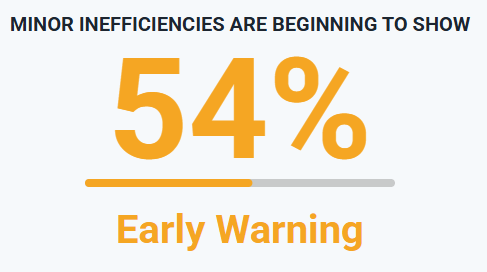
We built a free scorecard that shows how your heat pump, ventilation and solar systems are performing. Results are usually surprising.
No thanksWe built a free scorecard that shows how your heat pump, ventilation and solar systems are performing. Results are usually surprising.
No thanks

A lot of NZ homes have had a ventilation system installed over the last 30 years. The idea is well understood by most Kiwis: install a system to stop crying windows and improve indoor air. Ask those same homeowners how the system actually works, and most wouldn't have a clue.
These systems sit in ceiling spaces and roof cavities, doing their job out of sight. When it comes to maintaining them, the general consensus is that you just need to change the filters. Most systems have a service light or a reminder on the wall panel. Some homeowners act on it; others don't.
For those who do, the options are: change the filter yourself, pay someone to do it, or ignore the warning completely.
A filter change is part of a proper service, but it isn't the whole thing.
This guide covers what a professional ventilation service should include across the two main system types found in New Zealand homes, what your warranty actually requires before you book one, and what to ask when you do.
have?
New Zealand homes have two main types of whole-home ventilation system: positive pressure and balanced ventilation. Service requirements differ between them, so identifying your system type is the first step.
The quickest way is to check the brand on your wall controller or on the unit itself.
If you're not sure of your brand or model, count your vents. A supply vent pushes air into a room (you can feel air flowing out). A return vent pulls air out of a room (you can feel air being drawn in).
The filter is your system's primary defence against roof space dust. A professional should remove the filter, check it for unusual wear, and replace it with the correct grade for that system. Using the wrong specification changes the airflow characteristics and can throttle your system's performance.
NZ roof spaces experience massive temperature swings. They are breeding grounds for mould and insect activity. A technician should open the housing, check the fan motor and wiring, and clean the casing so no biological growth is being blown into your home.
These systems rely on flexible ducting, which naturally degrades over time. Connections can work loose or ducts can partially collapse due to heat. The technician should check the full duct run for any restrictions that are bleeding air before it reaches your rooms.
Ceiling vents collect dust both on the face and inside the body. A professional service includes removing and cleaning these vents. A blocked diffuser acts like a bottleneck for the entire system.
Once everything is reassembled, the technician should run the system and physically assess the airflow at each vent. If one room is weaker than the others, they should identify the cause before leaving.
By the way — we built a free scorecard that shows how your heat pump, ventilation and solar are performing. Results are usually surprising.
A balanced ventilation system (MVHR) is a more complex machine than a positive pressure unit. Because it features a heat exchanger, a thorough service takes considerably longer.
Balanced systems have two filters: one for incoming outdoor air and one for outgoing stale air. Both must be assessed and replaced. Homes with pets usually require more frequent changes on the extract side due to dander and fur.
The core is where the energy savings happen. Over time, dust buildup reduces heat transfer efficiency, costing you money. The core must be removed and cleaned properly. It must be completely dry before reinstallation to prevent moisture from being introduced directly into the air supply.
When warm air meets the heat exchanger and cools, it produces condensation. A blocked drain causes water to pool, leading to mould and hardware damage. This drain must be checked and cleared at every service.
If your system uses dampers to regulate air, they must be cleaned and returned to their original settings. These positions were set during commissioning to balance the house. Moving them without the original data can ruin the system's efficiency.
Intake and exhaust points on the outside of your home attract leaves and bird nests. A blocked exterior grille strains the fans and starves the system of fresh air. These should be cleared every year.
Warranty terms change. The information below reflects published warranty documentation at the time of writing. Always check the manufacturer's current warranty before booking a service.
Many warranty terms in New Zealand have the practical effect of limiting which providers can service your system, regardless of their qualifications. Here is what the main positive pressure brands require:
Warranty terms only hold their power because NZ law allows them to. If a manufacturer states that using an independent technician voids your warranty, they are legally correct. You have no recourse.
Countries that have passed Right to Repair legislation change this. When any qualified technician can legally service a system without affecting the warranty, more independent providers enter the market. Prices respond to competition. Service quality follows the same logic: when customers have a genuine choice of provider, the incentive to compete on quality increases.
The Consumer Guarantees (Right to Repair) Amendment Bill would have created those conditions in NZ. After passing its first reading in early 2025, the bill was discharged in October 2025. NZ homeowners currently have fewer legal protections in this area than those in the UK, Canada or the EU.
The practical result: if you have an HRV system that is still within its warranty period, you are largely limited to the manufacturer's authorised network for servicing, at whatever price they set.
Pro Tip: Most warranties expire after five years. If your system is older than that, the manufacturer has no legal hold over your maintenance choices. Any qualified service provider can do the work using compatible parts.
Never accept a verbal "all good." A professional service should always conclude with a written report detailing:
Annual servicing is the standard for both system types. Homes in high-dust areas or rental properties where tenants change over frequently may require more regular checks. If you're not sure when your system was last serviced, the Home Energy Health Assessment at assessment.miht.co.nz is a free starting point.
Positive pressure pushes filtered air from the roof space into the home. Balanced ventilation (MVHR) simultaneously brings fresh air in from outside and extracts stale air, using a heat exchanger to reduce energy loss. The identification method in the section above will help you confirm which type you have.
Yes. For the duration of the five-year warranty, using a third-party technician or a non-genuine filter will void your entire system warranty. If your system is older than five years, check the manufacturer's documentation to confirm your warranty status before booking.
A full service includes opening the unit to check for mould, inspecting ducting for leaks or collapses, cleaning all ceiling vents, and verifying that airflow is consistent across the home. For a full breakdown by system type, see the relevant section above.
Check your vents. If you only have supply vents (air blowing out) in bedrooms and living areas, it's positive pressure. If you also have return vents (air being drawn in) in the kitchen or bathroom, it's a balanced system. If you're still uncertain, a technician can confirm the system type at the start of any service visit.
The Bill aimed to stop manufacturers from voiding warranties when customers use independent service providers. It was discharged in October 2025, meaning NZ consumers still have fewer protections than those in the UK or EU. If your system is within its warranty period, check the manufacturer's current warranty terms before booking an independent service.
DVS is a brand of positive pressure ventilation. While it works similarly to HRV or SmartVent, DVS is generally more DIY-friendly regarding filter replacements and third-party servicing.