Before you go...
We built a free scorecard that shows how your heat pump, ventilation and solar systems are performing. Results are usually surprising.
Get my score
No thanks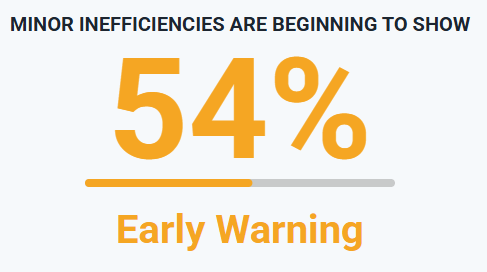
We built a free scorecard that shows how your heat pump, ventilation and solar systems are performing. Results are usually surprising.
No thanksWe built a free scorecard that shows how your heat pump, ventilation and solar systems are performing. Results are usually surprising.
No thanks
.jpeg)
Two heat pumps the same size, run the same hours, can land on very different power bills. Here's what actually decides the number.
Two heat pumps of the same size, run the same number of hours, can land on very different power bills. Consumption is the actual number that decides your cost, and consumption isn't fixed the way most people assume.
This covers what actually drives heat pump energy cost in NZ homes: how much electricity a heat pump uses, what the energy rating on the unit tells you, and the difference between settings-based savings and the one factor most homeowners never check.
Three things multiply together to produce the number on your power bill: how much electricity the unit draws per hour (its consumption), your electricity rate per kWh, and how many hours it runs. Change any one of the three and the cost moves.
Settings affect the first factor directly. A higher temperature, a colder day outside, or a larger space all increase how hard the unit works, which increases consumption. This is why the same heat pump can use noticeably more power on one cold night than another that feels similar.
Most residential heat pumps in NZ draw somewhere between 1 and 2 kWh of electricity per hour when heating at a typical setting, though this varies with unit size and outdoor temperature. A small bedroom unit sits toward the lower end. A larger open-plan lounge unit sits higher.
This is consumption, not cost. To turn it into a dollar figure, multiply the kWh figure by your electricity rate. A unit using 1.5 kWh an hour on a 30 cent rate costs around 45 cents an hour to run. The same unit on a 35 cent rate costs closer to 53 cents.
Cooling mode typically uses less energy than heating mode, because the temperature difference the unit has to work against is usually smaller in summer than in winter. A unit that costs 45 cents an hour heating a room to 20°C on a cold night might cost closer to 25-30 cents an hour cooling the same room to 24°C in summer. That gap narrows on genuinely hot days, when the unit is working harder to hold the room down against high outdoor temperatures. Dehumidifying uses more energy than straight cooling, since the unit is doing two jobs at once, so running it constantly through a humid summer costs more than the cooling figure alone suggests.
Every heat pump sold in NZ carries a Zoned Energy Rating Label, and it's worth understanding what it means for the unit you already own, separate from whether it's worth buying a different one. The label shows a star rating and an estimated annual kWh figure for your climate zone.
That annual kWh figure is a useful reality check. If your actual usage is running well above what the label suggests for a unit your size, that's a sign something is reducing efficiency rather than a sign the rating was wrong.
Temperature is the biggest lever, in both directions. In winter, every degree above around 20-21°C increases consumption, and the difference between 21°C and 24°C is larger than most people expect. In summer, the same logic runs the other way: every degree below around 24°C increases how hard the unit works to cool the room, so 24-27°C is the usual sweet spot rather than pushing it down to the coldest setting. Setting a steady, moderate temperature and leaving it uses less energy in either season than repeatedly forcing the unit to maximum to change the room's temperature quickly.
A few other habits make a measurable difference year-round:
Everything above assumes the unit itself is working the way it's meant to. It often isn't, and nothing on the remote shows you that.
A heat pump with a mould-affected internal fan or a dirty coil has to work harder to move the same amount of air and reach the same temperature. That extra effort is extra consumption, at the exact same settings you've always used. It builds gradually enough that most owners never connect a slowly climbing power bill to the unit itself, because nothing about how they're using it has changed.
This is the part a settings adjustment can't fix. A professional clean addresses the coil, the internal fan, and the drain system directly, and recovers the consumption a dirty unit was quietly adding. If your usage feels higher than it should be for how you're running the unit, that's usually where to look first.
If it's been a while since your system was properly serviced, book a heat pump service and find out whether that's part of what's driving your bill up.
Most residential units cost somewhere between 25 and 60 cents an hour to run, depending on the unit's size, the outdoor temperature, and your electricity rate. A small bedroom unit on a mild day sits toward the lower end. A larger unit working hard on a cold night sits toward the higher end.
No. A heat pump typically delivers three to four times more heat per unit of electricity than a plug-in electric heater, because it moves existing heat rather than generating it from scratch. For the same warmth, an electric heater usually costs several times more to run.
The most common cause is reduced efficiency from a dirty coil or fan, not a change in how the unit is being used. As mould, dust, and debris build up inside the unit, it has to work harder to produce the same heat, and that extra effort shows up as higher consumption at the same settings.
For most homes, no. Running the unit only when needed and using the timer to warm the room before you arrive typically uses less energy than leaving it running continuously, since maintaining temperature in an unoccupied room still costs consumption for no benefit.
Around 18-21°C in winter and 24-27°C in summer are the usual sweet spots for balancing comfort and consumption. In both seasons, the pattern is the same: pushing the setting further from the outdoor temperature doesn't get you there any faster, it just increases the energy used to close the gap. A cooling set point of 18°C on a hot day costs meaningfully more than 24°C for a room that feels comfortable either way.
It's a measurable, physical effect, not a sales line. A mould-affected coil or fan restricts airflow, and the unit compensates by running harder and longer to reach the same temperature. Cleaning those components restores airflow and reduces the consumption needed for the same result.