
Get your balanced ventilation system back to delivering fresh, warm air to every room.
Mitsubishi Lossnay, Zehnder, Lunos, Alnor, Stiebel Eltron and other brands serviced across Auckland. Your service covers filters, heat exchange cores, drains and diffusers so your system does what you paid for. Maintenance only. We don't sell or install new systems.
Book a Balanced Pressure System Restore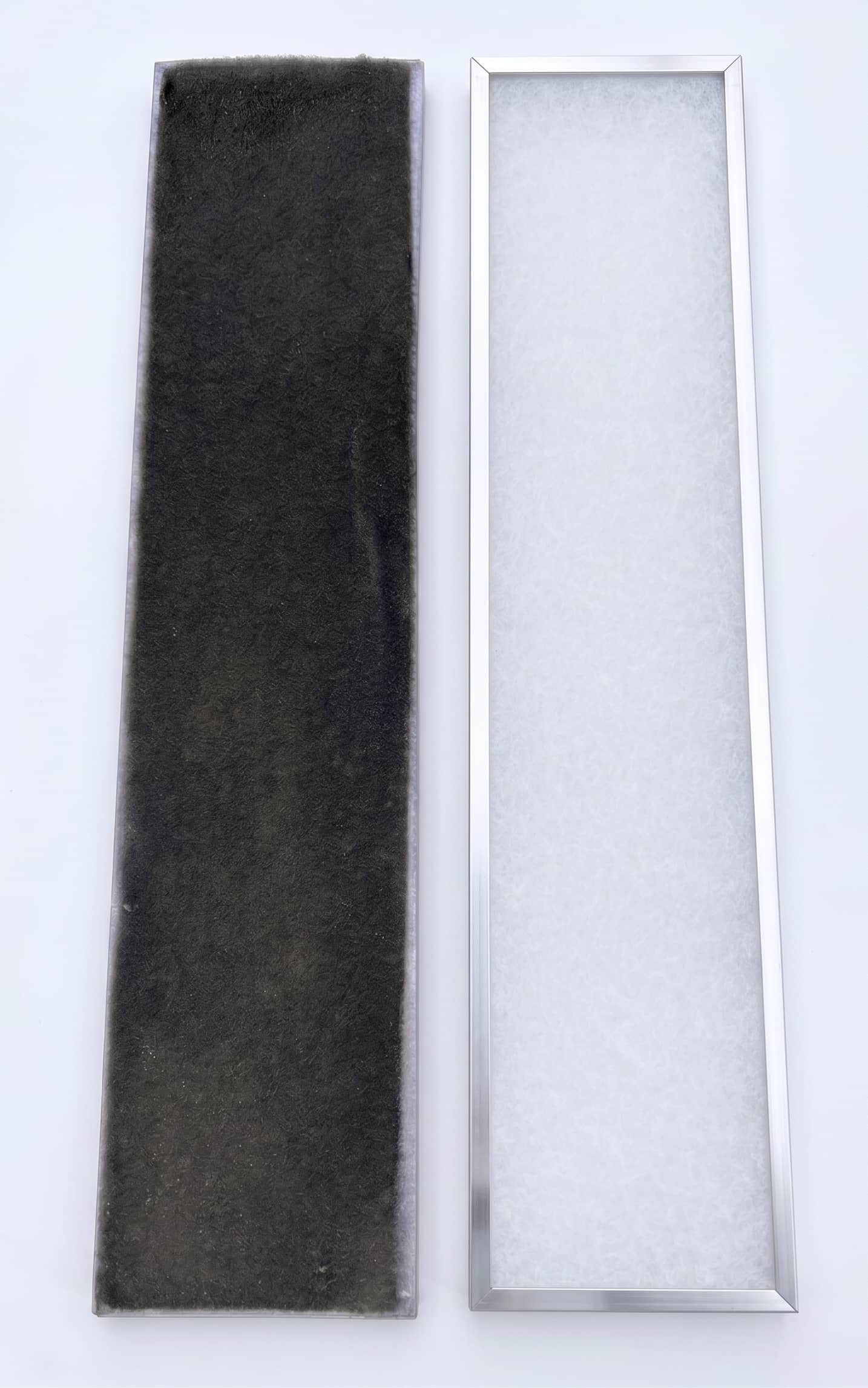
Your ventilation system gets professional maintenance from a company that doesn't sell units, lock you into filter contracts or push upgrades.
Is this the right service for your situation?
Your system hasn't been serviced in the last 12 months. Your balanced ventilation system was commissioned at installation with airflow carefully calibrated across the house. That calibration depends on clean filters, a clean heat exchange core and clear duct runs. If it's been more than 12 months since the last service, performance has dropped and the system is no longer delivering what it was set up to.
Your rooms feel stuffy or the air doesn't feel as fresh as it used to. YYour balanced system was chosen to bring clean, filtered air from outside, not from the roof cavity. When the intake filters or heat exchange core are loaded, that fresh air supply is restricted. CO₂ and pollutants build up in occupied rooms rather than being displaced. A service restores the fresh air exchange your system was installed to provide.
Condensation on your windows has increased. Your balanced ventilation system actively removes moisture-laden air from the home. If condensation is returning, the system may not be exhausting air at the rate it was designed to. A service checks whether airflow and system balance have been maintained.
You want to protect a system that cost significantly more to install. Your balanced ventilation system is a meaningful investment. The heat exchange core, fans and duct network all degrade faster when the system runs with restricted airflow. Regular servicing protects that investment and maintains the energy recovery you paid for.
What your Balanced Ventilation Service includes.
Your balanced system has more components than a positive pressure system. When performance drops, the cause usually sits in the filters, the heat exchange core or the ducting.
The filters
Your system has two filter stages: one for incoming outdoor air and one for outgoing stale air. The intake side collects insects, pollen and outdoor debris. The extract side captures dust, moisture and particles from inside your home. Homes with pets typically load the extract side faster. Both filters are replaced with the correct specification for your system.
The heat exchange core
Your heat exchange core is where incoming and outgoing air streams pass simultaneously, transferring heat without the two streams mixing. Dead insects, dust and organic material accumulate on the core surface over time. That buildup restricts airflow through the core and reduces how effectively heat is recovered. The core is carefully removed, cleaned and allowed to dry fully before reinstallation. A core reinstalled while still damp introduces moisture directly into the unit.
The moisture drain
Your system may have a moisture drain fitted. Where one is present, it's checked and cleared at every service. ERV systems don't have a drain and this step is skipped. A blocked drain on systems that do have one allows moisture to pool inside the unit, which creates conditions for organic growth and component damage.
The diffusers and dampers
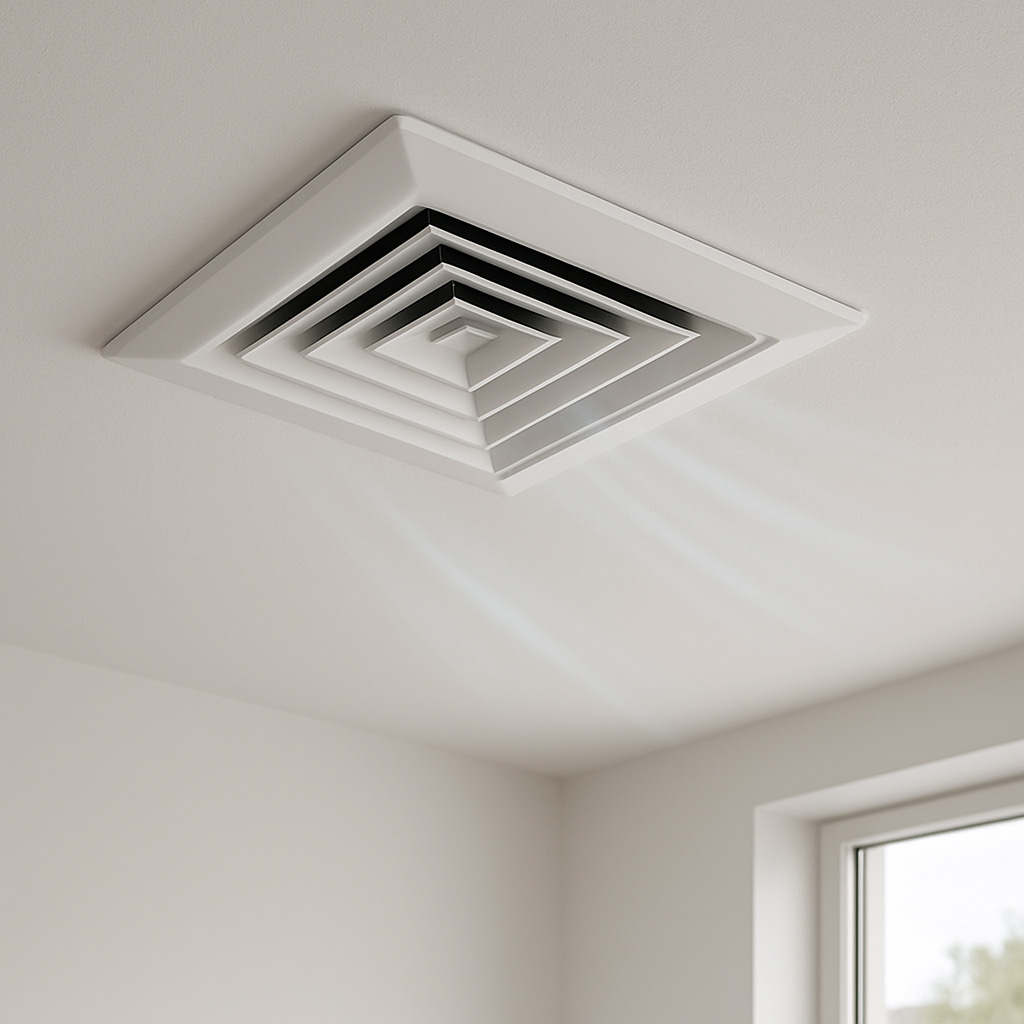
Your ceiling diffusers and any dampers present in the system are cleaned. Dampers are cleaned without adjustment so your system stays balanced as it was commissioned. Diffusers are cleaned to maintain airflow into each room.
The ducting
Your balanced system relies on both supply and extract ducts performing correctly. The ducting sits in your roof cavity, where temperatures swing from freezing in winter to extreme heat in summer. If duct connections have worked loose or insulation wrap has degraded, your system loses its recovered heat into the roof space before it reaches your rooms. The full duct run is inspected for damage, disconnections, restrictions and insulation condition.
The exterior grilles
Your intake and exhaust points on the outside of the home are checked for leaf debris, insect nests and general build-up. A blocked exterior grille strains the fans and reduces the volume of fresh air the system can draw in.
Airflow verification
Your system gets a full airflow assessment at the supply and return points once everything is cleaned and reinstalled. A properly serviced balanced system should be delivering close to its original commissioned airflow rates. Where it isn't, it is documented.
What You Receive After Every Service.
You receive a written condition report after every service. It's a documented record of the system's state before the service, the work performed and the measured result. It's the evidence that the service was done and done properly.
Before-and-after photographs of all serviced components
Written notes on every finding, what was done and what needs a follow-up visit
A condition record useful for warranty purposes, insurance or property records


How Would You Like Us to Look After Your System?
Your balanced ventilation system runs continuously. It's exchanging air and recovering heat around the clock, which means filters, the heat exchange core and ducting accumulate contaminants whether you notice it or not. If you're not sure what condition your system is in, start with a one-off service. If you want it looked after year after year without having to think about it, a care plan is the better option.
Annual Care Plan: Scheduled once per year. Your system runs around the clock and loads constantly. Annual servicing is the standard recommendation, particularly for homes with higher occupancy, pets or coastal exposure.
Biennial Care Plan: Professional service every two years. Suited to holiday homes or low-occupancy properties where the system runs but filter loading is slower. Same process and condition report as the Annual Care Plan.
One-Off Restore: The right starting point if your system has never been serviced or you want to know exactly what condition it's in. No ongoing commitment required.
Not sure which system you have?
Common questions about balanced ventilation servicing in Auckland.
Your system should be serviced at least once a year. If it hasn't been done in the last 12 months, that's the starting point. Some systems benefit from more frequent filter checks depending on occupancy and environment.
No, provided the core is reinstalled correctly and any dampers are left at their original settings. Your system was commissioned at installation with airflow carefully calibrated across the house. A professional service preserves that commissioned state.
It depends on your system. Centralised balanced systems have a unit in the ceiling or roof space that needs to be accessed. Decentralised systems like Lunos use paired fans installed directly in exterior walls and don't require roof space access. We'll confirm what's needed when you book.
Your heat exchange core is the component that defines balanced ventilation. Incoming and outgoing air streams pass through it simultaneously, transferring heat without mixing. Dead insects, dust and organic material build up on the core surface over time and restrict airflow through the core. A dirty core means less warmth recovered from outgoing air and higher heating costs.
You can wipe down your ceiling vents and replace a wall-mounted filter if your system has one. The heat exchange core, the intake filters in the roof space and the ducting inspection are professional tasks. The core is a delicate component that needs careful removal and cleaning, and the ducting and insulation need to be checked in a confined roof space. A professional service covers all of it in a single visit.
Both are balanced ventilation systems that exchange indoor and outdoor air while recovering energy. Your HRV (heat recovery ventilator) transfers heat between the two air streams. An ERV (energy recovery ventilator) transfers both heat and moisture. ERV systems don't produce condensate and don't have a moisture drain. The service process is similar for both, with the moisture drain step skipped on ERV systems.
Your service typically takes one and a half to two hours depending on system complexity and the number of supply and return points. We'll confirm the expected duration at booking.
Yes. Your unit, exterior grilles and each room need to be accessed to verify airflow at supply and return points. Someone needs to be home for the duration of the visit.